


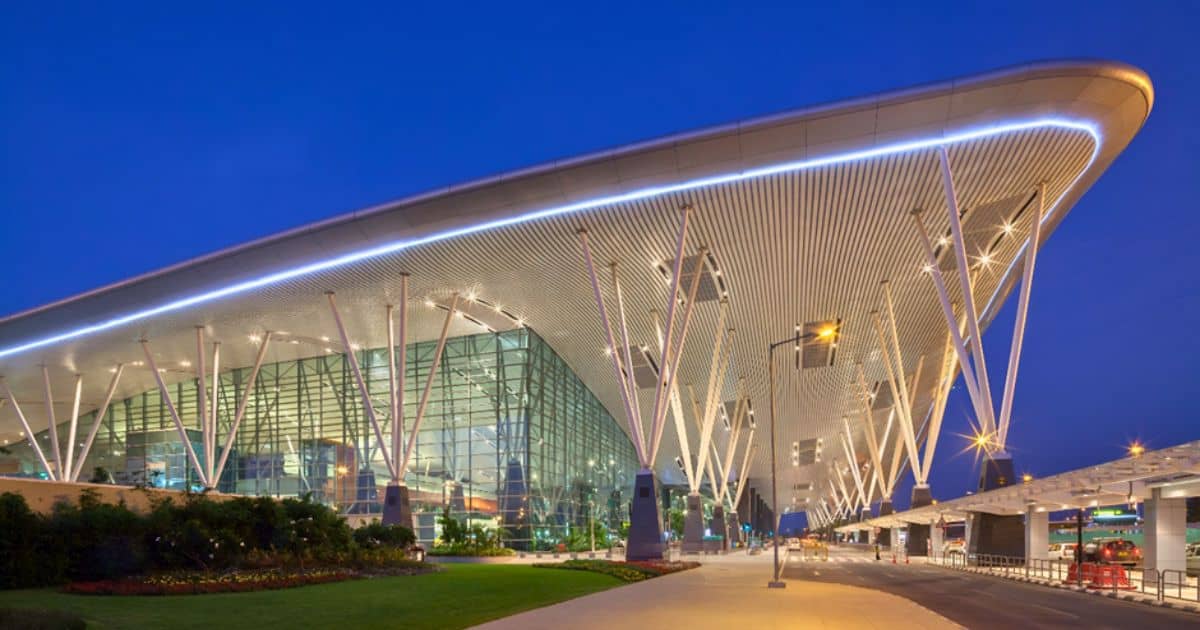
In contemporary construction, energy efficiency has become a central measure of architectural responsibility and long-term asset performance. Rising operational energy costs, stricter building regulations, and climate resilience requirements are reshaping façade material choices. Among emerging material systems, aluminium honeycomb panels are gaining attention for their structural efficiency, thermal behaviour, and sustainability advantages. The role of honeycomb core material in energy efficient designs is increasingly visible in commercial buildings, airports, institutional campuses, transport hubs, and premium residential developments.
Material engineers and architects now evaluate honeycomb systems not only for weight reduction but also for lifecycle energy performance, durability, and integration with safety systems. Within this context, Aludecor is often referenced by design consultants as a preferred choice for architects and builders seeking solutions that combine performance, aesthetics, and longevity. The positioning of India’s most tested and trusted ACP further reinforces confidence in performance-led specification within demanding regulatory environments.
Thermal Insulation Properties of Aluminium Honeycomb Panels
Honeycomb panels derive their performance from a cellular core structure inspired by natural efficiency patterns found in beehives. The hexagonal cell geometry traps air within enclosed cavities, limiting conductive and convective heat transfer. This enables façades and partitions to act as passive thermal buffers across daily and seasonal temperature fluctuations.
From an engineering perspective, the role of honeycomb core material in energy efficient designs lies in achieving thermal resistance without bulky insulation layers. When bonded between aluminium skins, the honeycomb core minimises thermal bridging and stabilises envelope performance. Compared with monolithic metal sheets, the cellular configuration delivers a higher stiffness-to-weight ratio while maintaining controlled thermal flow.

In honeycomb panels for architecture, this thermal moderation improves indoor comfort and reduces dependence on mechanical cooling systems. In warmer regions, limited heat ingress lowers air-conditioning demand. In cooler climates, retained indoor warmth reduces heating cycles. Stable internal temperatures also protect interior finishes from condensation and thermal fatigue.
The benefits of honeycomb core in buildings further include dimensional stability under thermal stress. Aluminium honeycomb structures show minimal warping or distortion during temperature variation, maintaining façade alignment and joint integrity over extended service life. Long-term stability ensures consistent energy performance and lowers corrective maintenance energy.
Are Honeycomb Panels Good Insulators?
Honeycomb panels provide effective insulation by trapping air inside their cellular core. This structure restricts heat transfer and improves thermal resistance compared with solid metal sheets. While not a direct replacement for specialised insulation in every application, honeycomb systems significantly reduce surface heat transmission and stabilise indoor temperatures.

How Lightweight Panels Reduce Structural Load and Energy Use
Weight efficiency is a defining characteristic of honeycomb technology. Aluminium honeycomb panels weigh significantly less than solid aluminium, steel cladding, or stone façades while delivering comparable stiffness and span capability. Reduced dead load creates multiple energy benefits across a building’s lifecycle.
Lower structural loads enable optimised foundation sizing and lighter framing systems. This reduces embodied energy associated with concrete, steel reinforcement, transportation, and heavy lifting equipment. Logistics energy consumption also declines, as lighter panels improve transport payload efficiency.
The role of honeycomb core material in energy efficient designs extends into installation efficiency. Lightweight panels require smaller cranes, reduced manpower, and shorter installation cycles. On-site power consumption and fuel usage decrease, contributing to lower construction-phase emissions.
In retrofit projects and high-rise developments, honeycomb panels for architecture simplify structural upgrades without exceeding load limits. The benefits of honeycomb core in buildings therefore extend beyond operational savings into construction sustainability and programme efficiency.
Impact on Heating, Cooling, and Overall Building Performance
HVAC systems account for a substantial share of building energy consumption. Façade materials strongly influence heat gain, heat loss, and thermal lag. Aluminium honeycomb panels create stable thermal moderation that supports balanced indoor temperature regulation.
The closed-cell geometry restricts conductive heat pathways while limiting airflow exchange between internal and external skins. This reduces peak temperature swings and enables steady HVAC operation rather than frequent cycling. Buildings using honeycomb cladding typically experience smoother internal temperature curves across daily cycles.
The role of honeycomb core material in energy efficient designs becomes particularly visible during extreme weather conditions. Cellular buffering reduces thermal shock transmission and protects seal integrity under solar radiation and expansion stress. Over time, this stability limits air leakage and uncontrolled heat transfer.
Integration with certified fire safety acp panels strengthens envelope reliability. Fire-rated skins and mineral layers enhance thermal compartmentalisation during fire exposure while maintaining structural stability. In regulated environments, the combination of energy performance and fire safety acp panels supports holistic compliance and occupant safety.
Also Read : Aluminium Honeycomb Panels: Uses, Benefits & Applications
What Is the Lifespan of Aluminium Honeycomb Panels?
Aluminium honeycomb panels offer high durability due to corrosion resistance, dimensional stability, and fatigue strength. When properly installed, they can perform reliably for several decades with minimal maintenance. Longer lifespan reduces replacement frequency, lowering lifecycle energy consumption and material waste.
Sustainability Benefits and Contribution to Green Certifications
Sustainability performance increasingly influences material selection across commercial, institutional, and infrastructure projects. Honeycomb panels contribute positively across embodied carbon reduction, operational efficiency, and circular economy objectives.
Aluminium honeycomb panels typically incorporate recycled aluminium content, reducing dependence on primary aluminium production and lowering carbon emissions. Material efficiency is achieved through cellular geometry, enabling maximum strength using minimal raw material volume. Lightweight construction further reduces transport fuel consumption.
The benefits of honeycomb core in buildings also include acoustic damping properties that reduce the need for additional sound insulation materials, indirectly lowering embodied energy. Corrosion resistance and weather durability minimise replacement cycles and maintenance resource consumption.
Lifecycle assessments indicate significantly lower CO₂ emissions per square metre for honeycomb systems compared with solid aluminium or mineral-filled composite panels. Full recyclability supports circular material flows and waste reduction targets. A 12 mm Nexcomb panel comprising 50% recycled aluminium skins (0.7 mm/0.5 mm) with 30 µ PVDF coating registers a significantly lower value of 4–7 kg CO₂ e/m².
Green building certifications such as LEED and GRIHA recognise these attributes across energy efficiency, material optimisation, and lifecycle impact criteria. When combined with certified fire safety acp panels, honeycomb assemblies maintain sustainability objectives without compromising safety benchmarks.
Are Honeycomb Panels Fire Safe?
Fire performance depends on skin material, bonding systems, and core configuration. When integrated with certified fire safety acp panels, aluminium honeycomb assemblies demonstrate improved flame resistance, controlled smoke development, and enhanced structural stability, supporting compliance with modern fire safety standards.
Energy-Efficient Applications in Modern Construction
Honeycomb panels are widely used across façades, soffits, ceilings, partitions, transportation interiors, clean rooms, and modular construction systems. In airports and metro projects, lightweight honeycomb cladding reduces vibration loads and enables faster installation.
Healthcare and laboratory environments benefit from dimensional stability and controlled thermal behaviour. Corporate campuses apply honeycomb panels for architecture to balance visual flexibility with regulatory compliance. Retail and hospitality projects leverage weight efficiency for suspended elements and feature installations.
The role of honeycomb core material in energy efficient designs is amplified in prefabrication, where modular panels reduce waste and enable consistent factory-controlled quality.
Within the Indian market, NexCore – the indigenously developed honeycomb core by Aludecor, positions the company as the only façade product manufacturer with an in-house honeycomb production facility. NexCore is manufactured from AA3003, H-18 grade aluminium alloy, delivering high load-bearing capability while remaining lightweight. Precision-controlled production ensures dimensional accuracy, consistency, and durability.
Sustainability integration includes recycled aluminium usage and full recyclability. Beyond finished honeycomb panels, NexCore enables custom integration into HPL, MDF, plyboard, FRP, and furniture applications, improving strength-to-weight performance across multiple industries.
India’s Most Tested and Trusted ACP and the Role of Honeycomb Core Material in Energy Efficient Designs
Performance verification and documented testing are increasingly demanded by regulators, insurers, and institutional developers. The alignment of honeycomb technology with India’s most tested and trusted ACP strengthens confidence in structural safety, thermal stability, and fire compliance.
When honeycomb systems integrate with certified fire safety acp panels, façade assemblies achieve enhanced fire containment without compromising weight efficiency or thermal behaviour. This supports high-rise compliance, evacuation safety, and insurance acceptance.
The benefits of honeycomb core in buildings under this framework include predictable fire performance, consistent dimensional stability, and measurable energy efficiency supported by transparent test data.
Also Read : Role of Honeycomb Sheets in Durable Architectural Design
Conclusion
As energy efficiency becomes a regulatory requirement rather than a design preference, façade materials must deliver measurable performance across thermal control, weight optimisation, durability, and environmental impact. Aluminium honeycomb systems provide a balanced solution across these dimensions. The role of honeycomb core material in energy efficient designs extends beyond insulation into structural efficiency, carbon reduction, and long-term climate resilience.
With integrated manufacturing capabilities, quality-controlled NexCore production, and compatibility with certified fire-rated systems, Aludecor supports performance-driven façade engineering aligned with evolving sustainability standards. The reinforcement of India’s most tested and trusted ACP strengthens confidence among specifiers seeking data-backed reliability and long-term operational value.
Call us at 1800-102-0407 or visit aludecor.com/enquiry to explore ACP solutions designed for performance and long-term aesthetic value.
FAQs
Q1. How do honeycomb panels improve building energy efficiency?
Honeycomb panels reduce heat transfer through trapped air cells, stabilise indoor temperatures, and lower HVAC energy demand while maintaining high structural stiffness with minimal material usage.
Q2. Are aluminium honeycomb panels suitable for green building certifications?
Yes. Recycled content, lightweight efficiency, recyclability, durability, and energy savings support credit contributions under LEED, GRIHA, and similar certification systems.
Q3. Do these panels reduce heating and cooling costs?
Reduced thermal transmission lowers heating and cooling loads, improving operational energy efficiency throughout the building lifecycle.
Q4. What type of projects benefit most from honeycomb insulation?
High-rise façades, transport infrastructure, healthcare facilities, modular buildings, and large-span architectural installations benefit significantly from honeycomb systems.


