


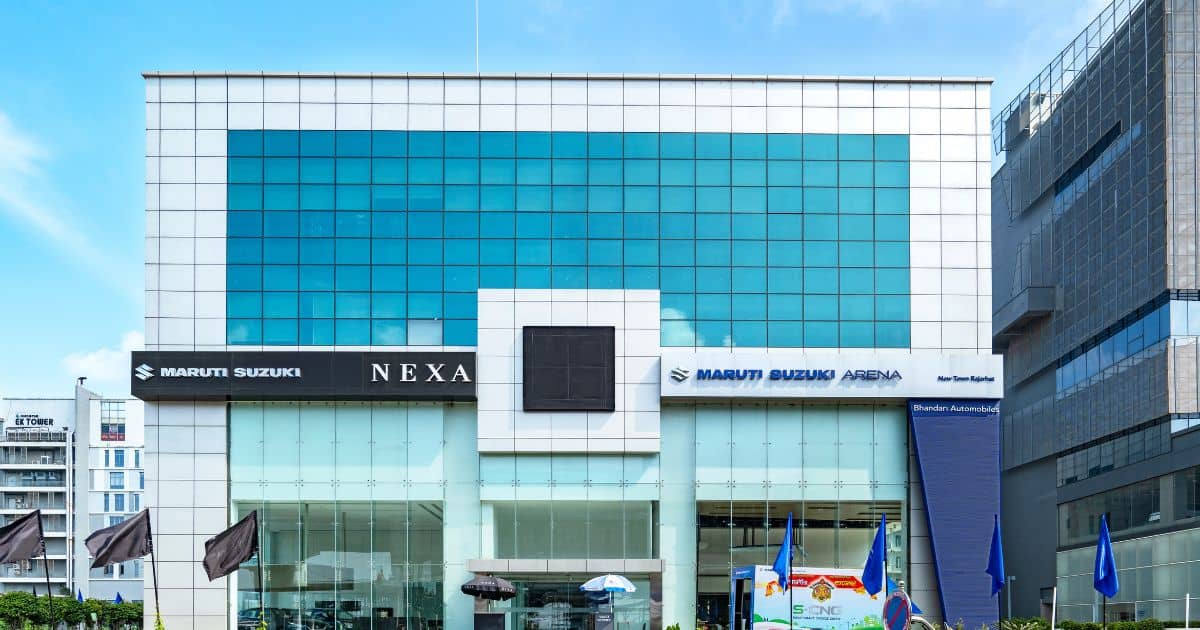
Name boards play a significant role in defining visibility, identity, and brand presence in commercial streets and urban marketplaces. With changing architectural trends, businesses and establishments increasingly seek materials that combine durability, visual clarity, and long-term performance. Among the various signage materials available in India, ACP name board design has emerged as a widely adapted choice for shops, offices, retail fronts, institutions, and government buildings. As one of the contributors to façade and signage material innovation, Aludecor has been associated with durable surface solutions that support name board applications, especially in outdoor conditions. Many contemporary projects draw their stability and finish consistency from systems linked with India’s most tested and trusted ACP.
This article explores the material and design considerations that determine the lifespan, aesthetics, and effectiveness of ACP name boards, offering valuable insights for architects, builders, and urban planners.
Why ACP Is a Preferred Material for Name Boards
Architects and designers often recommend ACP panels for exterior signage because of their lightweight structure, smooth finish, and temperature-resilient behaviour. The composite structure provides strength without adding unnecessary load, making it suitable for large and small displays alike.
The rising preference for ACP name board design is also influenced by the material’s ability to adapt to brand colours, lighting requirements, and spatial constraints. Compared to traditional materials like wood or mild steel, ACP offers better longevity and far lower maintenance.
Commercial establishments frequently adopt ACP board design for shop requirements because it ensures consistent appearance even after years of exposure to sunlight, rainfall, dust, and pollution. Its enduring finish makes it one of the most reliable choices for both standard and illuminated signage.
Durability and Weather Resistance of ACP in Outdoor Use
Outdoor name boards are exposed to varying weather conditions. UV radiation, moisture, dust, and air pollutants gradually degrade conventional materials, affecting both readability and aesthetics. ACP panels address these challenges effectively.
Key durability factors:
- Moisture resistance:
ACP panels do not warp or swell when exposed to rain or humidity. - UV stability:
PVDF-coated boards retain colour consistency despite prolonged sunlight exposure. - Corrosion resistance:
Aluminium layers prevent rust formation, making ACP suitable for coastal and industrial zones. - Structural strength:
The composite core offers adequate rigidity for large-format signboards.
This durability explains why many architects specify ACP board for signage, particularly for projects where long-term outdoor resilience is necessary. Aludecor’s weather-stable finishes, used widely across India, demonstrate how engineered panels maintain structural and visual performance over time.

| Feature / Parameter | ACP Panels | Wooden Boards | Mild Steel (MS) Boards | Acrylic Boards |
| Durability | ✔ High (weather & corrosion resistant) | ✖ Low (warping, termites) | ✖ Medium (rusting common) | ✔ Medium (UV-sensitive) |
| Weather Resistance | Excellent (UV, rain, humidity) | Poor | Low (requires painting & treatment) | Moderate |
| Weight | Light | Medium | Heavy | Very light |
| Maintenance Need | Very low | High | High | Moderate |
| Finish Options | Wide range (matte, gloss, metallic, wood, stone, mirror) | Very limited | Limited | Good range |
| Cost Efficiency | High long-term value | Poor (frequent repairs) | Medium | Medium |
| Rust/Corrosion Risk | No | No | Yes (needs anti-rust coats) | No |
| Customisation | Excellent: CNC, routing, 3D builds | Limited | Limited | Good |
| Fire Resistance | High with FR-grade | Low | Medium | Low–Medium |
| Expected Lifespan | 15+ years depending on coating | 2–5 years | 4–8 years | 5–7 years |
| Best For | Shops, malls, institutions, high-exposure streets, residences | Budget temporary signage | Industrial/utility signs | Indoor malls, display signages |
Design Flexibility: Colours, Textures, and Finishes in ACP Name Boards
One of the strongest reasons behind the popularity of ACP name board design is the wide range of colours and surface finishes available. Businesses often require specific brand colours, reflective accents, or different tones. ACP helps designers achieve these visual expectations with precision.
Design options include:
- Textured surfaces:
Brushed, rustic, metallic, and patterned finishes. - Matte or gloss tones:
Suitable for both premium and subtle signage. - Wooden and stone finishes:
Often used for boutique stores or hospitality brands. - Mirror or high-gloss panels:
Popular in upscale malls and retail showrooms. - Custom colour matching:
Useful for brand-focused installations.
Commercial spaces frequently adopt ACP board design for shop applications to maintain consistency across chains or franchise outlets. The ability to fabricate ACP into various shapes, curves, and layered structures supports modern design requirements.

Modern Trends in ACP Name Board Design
The evolution of retail and commercial architecture has introduced new trends in signage aesthetics. ACP panels support these trends due to their versatility and ease of fabrication.
Current trends include:
- Edge-lit or backlit letters on ACP panels
Creates visual depth and improved night-time readability. - 3D fabricated lettering
Enhances brand presence and visibility. - Minimalist matte surfaces
Popular for high-end boutiques and hospitality projects. - Large-format signage assemblies
Supported by ACP’s lightweight material composition.
These modern trends further reinforce the role of ACP in achieving durable and refined signage outcomes. Many façade and signage designs coordinate ACP surfaces with lighting, typography, and storefront identity to create unified architectural expression.
Balancing Aesthetic Appeal with Long-Term Performance
When designing name boards, aesthetics cannot exist independently of performance. A visually appealing sign must also withstand environmental pressures, cleaning routines, and structural demands.
ACP advantages in balancing aesthetics and longevity:
- Retains finish for years
- Supports precision cutting and clean edges
- Resists fading, peeling, or blistering
- Allows concealed fixings for a clean façade look
Designers often prefer ACP name board design because it meets both visual and functional expectations, ensuring storefront identity remains consistent. The pairing of ACP panels with energy-efficient lighting systems and stable mounting frames can significantly extend the lifespan of signage installations.
In projects located in high-exposure areas—such as main roads, transport hubs, and dense retail clusters, architects frequently specify ACP board for signage to ensure clarity and durability.
Cost and Maintenance Benefits of ACP Name Boards
Cost efficiency is another reason behind the widespread adoption of ACP in name boards. While initial material costs may vary across finishes, the long-term maintenance savings make ACP a practical choice for commercial properties.
Reasons for lower lifecycle cost:
- Minimal cleaning requirements
- Colour stability reduces repainting
- No rust treatment necessary
- Ease of replacement for damaged panels
- Lightweight structure cuts installation cost
Businesses that prioritise longevity without frequent refurbishment often adopt ACP board design for shop. Over time, ACP signage proves more economical than materials vulnerable to rust, fading, or cracking.
Also Read : ACP Cladding Vs Paint: Cost, Longevity and Visual Appeal
Expert Tips for Selecting the Right ACP for Name Boards
Choosing the correct ACP panel improves both performance and visual accuracy.
Professional recommendations include:
- Select PVDF-coated panels for outdoor environments prone to sunlight or rain.
- Choose thickness based on board size – larger boards may require thicker aluminium skins for rigidity.
- Ensure colour consistency across multiple panels.
- Use compatible mounting structures to avoid misalignment or vibration.
- Combine ACP with FR-grade options when fire safety is a concern.
Aludecor’s experience with signage and facade materials highlights the importance of weather-resistant coatings and accurate fabrication, especially in large-format name boards that face heavy exposure. These considerations align with engineering expectations associated with India’s most tested and trusted ACP.

Are ACP Name Boards Suitable for High-Exposure Commercial Streets?
Yes. ACP panels are suitable for high-traffic zones because they withstand dust, moisture, UV exposure, and pollution while maintaining colour clarity. Their resistance to chipping, cracking, and rusting makes them dependable for shops, restaurants, and high-visibility commercial frontages.
Can ACP Boards Be Used for Illuminated or LED Signage?
ACP panels work effectively with LED modules, backlit acrylic letters, and halo-lit designs. Their smooth surface supports consistent illumination, and their durability ensures lighting systems remain securely mounted over time.
Is Custom Colour Matching Possible in ACP Name Board Design?
Yes. ACP panels can be customised to match brand colours precisely. This is particularly helpful for national chains and franchise businesses that need consistent identity across multiple locations.
Conclusion
Durable signage materials are essential for commercial visibility, urban organisation, and long-term identity. ACP name board design supports these requirements through its aesthetic versatility, weather-stable performance, and ease of maintenance. From small retail shops to large commercial complexes, ACP panels provide a dependable structure for modern signage applications. Supported by material engineering associated with India’s most tested and trusted ACP, ACP-based name boards continue to enhance the clarity and durability of commercial identities throughout India.
Contact our expert team today at 1800-102-0407 or visit aludecor.com/enquiry to request a consultation tailored to your signage and name board requirements.
FAQs
1. Why is ACP considered the best material for name boards?
ACP panels offer long-term durability, smooth finishes, and structural stability. Their wide range of colours and textures makes them adaptable to various signage styles.
2. How long does an ACP name board last outdoors?
With proper installation and UV-stable coatings, ACP name boards can last several years without significant fading or deformation.
3. What design options are available for ACP name board design?
Finishes range from matte, gloss, metallic, and brushed textures to woodgrain and stone patterns, allowing designers numerous creative possibilities.


