


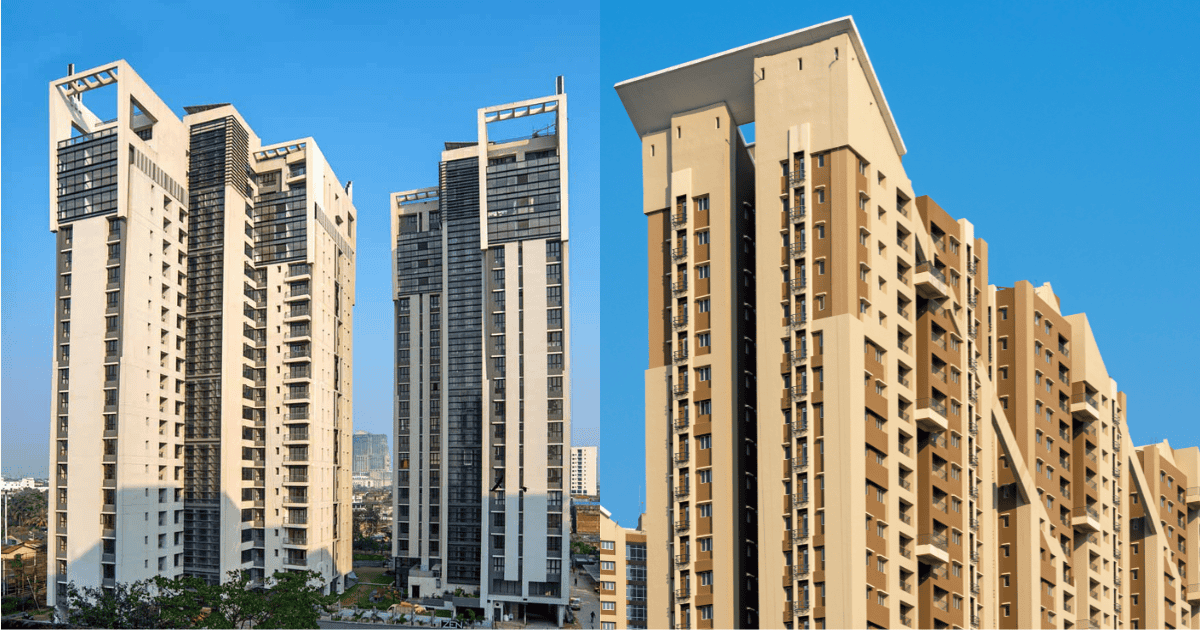
We ever just stand at the base of a skyscraper, maybe in a crowded city like Mumbai or Delhi, and look straight up until our necks hurt? It is a bit mind-blowing how these vertical giants are basically the thumbprints of our modern era. In our 22 years of navigating the world of building materials, we have seen facades go from being just a “pretty face” to becoming a highly complex, biological-like organ for the building. High-rise facade design today is about so much more than aesthetic ego. Let’s be honest, it is a high-stakes game where science meets style at 500 feet in the air. You know what I mean when we say that the skin of a building is its first and sometimes only line of defense against a world that is getting hotter and more unpredictable. We have always believed that a building’s exterior should tell a story, but for that story to last, the materials have to be nothing short of genius. Modern facade architecture has shifted into what we now call “Material Intelligence,” and it is absolutely fascinating to see how we at Aludecor are leading that charge.
Why facade Design Is Evolving in High-Rise Construction
The push for taller buildings is not just about prestige; it is a response to urban density. But when you build high, the environment fights back. Wind loads at the 40th floor are a different beast than at the ground level, and temperature fluctuations can make materials expand and contract like they are breathing. Aluminium facade panels trends have moved toward systems that can handle these stresses while keeping the people inside safe and comfortable. Since we started this journey in 2002, we have watched our industry pioneer solutions that address these exact pressures. We are moving away from passive cladding and toward active systems that manage light, heat, and even air quality. But why is this happening now? It is a mix of stricter safety codes, a desperate need for energy efficiency, and a desire for buildings that do not just look like glass boxes.
- Fire-Safe & Regulation-Driven facade Materials
If there is one thing that keeps us up at night in this industry, it is fire safety. There is absolutely no room for “good enough” here. The evolution of high-rise facade design is now firmly anchored in non-combustibility. We think Firewall A2 is one of the most significant products in this context. This isn’t just another panel; it is a fire-resistant ACP packed with a 90% halogen-free, inorganic mineral core.It stops flame spread, emits minimal smoke and produces no flaming droplets which is the difference between life and death in a high-rise.
- Sustainable & Energy-Efficient facade Solutions
We all love to talk about being “green,” but we prefer to talk about being “responsible.” Sustainability in high-rises is not just a buzzword; it is a technical requirement for LEED credits. Our easily recyclable ACPs are a massive win here, helping buildings earn credits like MR 4.1 and MR 4.2. But there is a deeper health angle that we are particularly passionate about. We use lead-free paints because we know the risks we are talking about preventing nervous system damage and renal failure. Using materials like Zinc and Copper Composite Panels is another brilliant move. They are 100% recyclable and have a natural beauty that actually improves as they patina over time. And since we were the first to introduce Zinc and Copper composite panels in India, we really set the pace for what eco-conscious luxury looks like.

3 – Lightweight yet High-Performance Materials
Building tall is essentially a constant war against gravity and wind pressure. Every extra kilogram you hang on that structure adds cost and complexity. And then with tall buildings built near each other due to want of space, contributes to increased tunnel effect and wind gusts. This is why the move toward lightweight materials like Aluminium Honeycomb Panels is a total game-changer. These panels provide incredible flatness and strength without the massive bulk. But being light does not mean being flimsy. We use ace quality aluminium coils treated by the Direct Chill (DC) process. This technical bit is vital because it minimizes the risk of cracks and gives the panels the best flexibility and elongation properties in the business. It means you can bend them and shape them into these wild, futuristic curves without the material giving up on you. But you also get that “Zero Undulation” attribute, which ensures the building looks perfectly smooth and premium from every angle.
- Smart & Functional facades
We have always felt that a facade should do more than just sit there and look pretty. It should work. We are seeing a massive rise in functionalism through things like Aludecor Systems, which are technologically advanced setups that facilitate rainscreen cladding. This is how we get those beautiful, silicone-free ACP facades. These systems allow the building to manage moisture and thermal expansion much more effectively. And let’s not forget the specialty coatings. We offer anti-bacterial ACP sheets, self-cleaning surfaces, and anti-scratch finishes. Let’s be honest, the cost of cleaning a 50-storey building is astronomical. Having a facade that basically takes care of itself is not just smart design; it is a financial masterstroke.
- Custom Colours, Textures & Premium Finishes
Now for the part that fascinates us – contributing endlessly to unbound architectural creativity. We have moved so far beyond basic metallic silver. Architects are now using 3D facade installations to breathe a new perspective into their projects. We were the first to introduce these 3D finishes in India, and the way they play with light and shadow is just stunning. Whether it is the sophisticated matte vibe of the Sand Series or the old-world charm of the Rustic and Timber series, the choices are basically infinite. We personally love the Sand Series because it has that understated elegance that “flashy” materials just cannot touch. But the real secret is the coating technology. By using PVDF resin (Kynar 500) in a 70:30 ratio with acrylic, we ensure the highest gloss retention. It means the colour you fall in love with today is the colour your grandkids will see decades from now.
Also Read : PVDF Coating vs FEVE Coating on ACP Sheets: What You Should Know

6 – Durability-Focused facade Design for Long-Term Value
A skyscraper is a generational investment, so it needs to be built to last. This is why our introduction of the first “Double Coat Double Bake” line in India in 2006 was such a big deal. This process ensures there are zero elongation cracks on the primer and paint surface. It results in much better bonding and increased longevity even under the most brutal weather conditions. Architects like Ar. Amin Nayyar have even noted that our technical parameters are “spot on” when tested, which is high praise in an industry where promises can sometimes be thin. When you have that kind of persistent durability, the maintenance stays low and the building’s value stays high. It is about creating a landmark that does not fade into the background.
Conclusion
So, looking at the big picture, the future of high-rise facade design is essentially a high-tech race toward safety, sustainability, and sheer artistic audacity. We are moving toward a world where modern facade architecture is defined by “Material Intelligence”. Since 2002, we have seen ourselves transform from a pioneer into a benchmark for the entire industry. Whether it is the 90% mineral core of the Firewall A2 for safety or the 3D designs for style, we are proving that you do not have to choose between performance and beauty. Building tall is a challenge, but with the right skin, these towers become more than just buildings – they become icons of our progress. And honestly, we can’t wait to see what the next 22 years of this industry bring.
FAQ Section
What are the biggest facade trends for high-rise buildings in 2026? The industry is moving toward “Material Intelligence,” which focuses on active rather than passive materials. The big trends include 3D facade installations that add depth and texture, and the use of natural metal composites like Zinc and Copper. We are also seeing a standard shift toward silicone-free facades through advanced rainscreen systems like Aludecor Systems, which improve both the aesthetic and the thermal performance of the building.
Why is fire safety influencing facade design trends? Fire safety is the primary driver of material innovation because of the extreme risks associated with vertical flame spread in tall buildings. This has led to the dominance of Class A2 fireresistant materials. For example, our Firewall A2 uses a 90% halogen-free mineral corestops flame spread, emits minimal smoke and produces zero flaming droplets.
Which materials are preferred for modern high-rise facades? Aluminium Composite Panels (ACP) remain the favourite because they are lightweight, flexible, and offer over 300 shades. However, for high-rises where structural weight and perfect flatness are critical, Aluminium Honeycomb Panels are becoming the preferred “high-performance” choice. Natural metals like Zinc and Copper are also highly sought after for premium, sustainable projects due to their longevity and natural aging process.
How do sustainable facades improve building performance? Sustainable facades use materials that are easily recyclable and help buildings qualify for LEED credits like MR 4.1 and MR 4.2. Beyond just being “eco-friendly,” they utilize lead-free paints that reduce carcinogenic risks and protect the health of occupants. Technically, these facades especially when combined with rainscreen cladding provide better thermal insulation and weatherproofing, which significantly reduces the energy consumption and long-term maintenance costs of the skyscraper.


