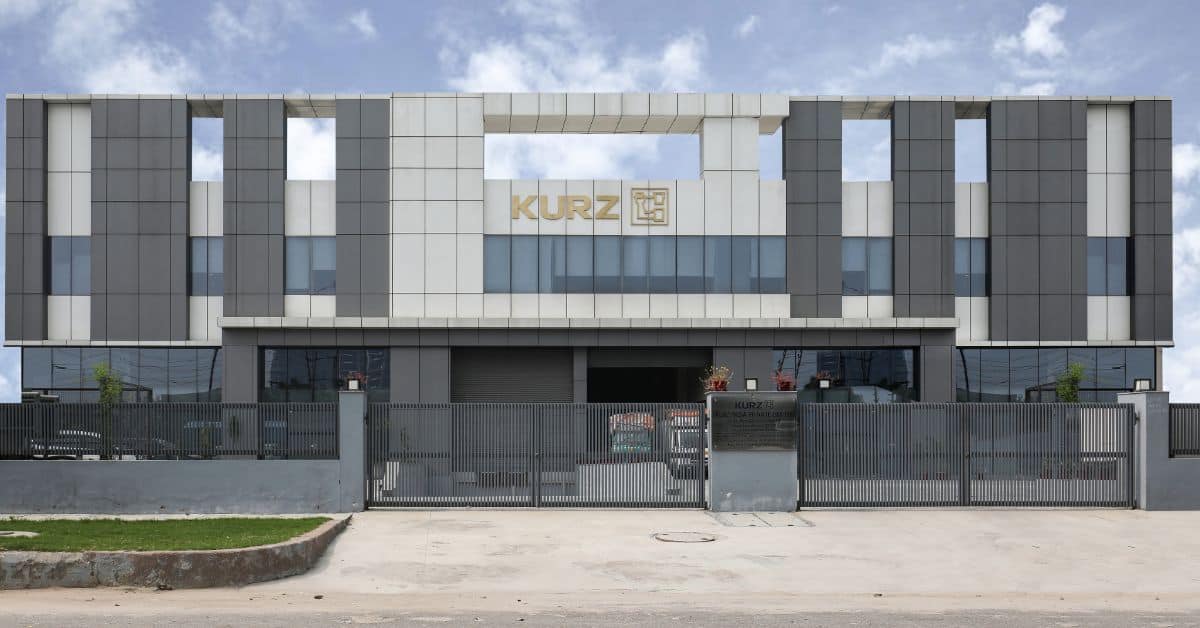
Industrial architecture is as much about functionality, as it is about aesthetics. Longevity, performance, and aesthetics work together to create structures that can withstand demanding conditions while maintaining visual appeal. In this landscape, ACP panels in industrial buildings have emerged as a game-changer.
From factories and logistics hubs to research facilities and power plants, architects and builders are increasingly choosing durable ACP cladding industrial solutions that balance strength, sustainability, and style. This shift reflects not only a design evolution but a smarter, future-ready approach to industrial construction. Architects and builders across India are increasingly turning to durable ACP cladding for industrial applications, not only for its sleek appearance but also for its remarkable resistance to environmental and operational stress. Aluminium Composite Panels (ACP) have evolved from being purely decorative elements to essential materials that meet the rigorous demands of industrial construction.
Why Durability Matters in Industrial Architecture
Industrial spaces operate under extreme conditions, including high humidity, pollution, vibration, and temperature variations. Traditional materials like concrete, metal sheets, or paint often struggle to endure these elements over time, leading to fading, corrosion, and frequent maintenance cycles.
That’s where ACP panels in industrial buildings offer a clear advantage. Built with a robust aluminium outer layer and a non-toxic mineral core, ACPs are designed to perform in the toughest environments. A durable ACP cladding industrial structure resists corrosion, prevents chemical damage, and keeps façades intact even under heavy dust or moisture exposure.
Durability is not just about survival; it’s about maintaining structural integrity and aesthetics for decades. Whether it’s a food processing unit on a humid coast or a chemical plant in a high-heat zone, an industrial ACP cladding is a preferred choice. Moreover, for government projects and large-scale infrastructure, durability translates into reduced downtime and operational efficiency. With industrial ACP cladding, project teams can ensure both structural reliability and visual appeal, meeting both practical and aesthetic expectations.
Also Read : ACP Cladding Vs Paint: Cost, Longevity and Visual Appeal
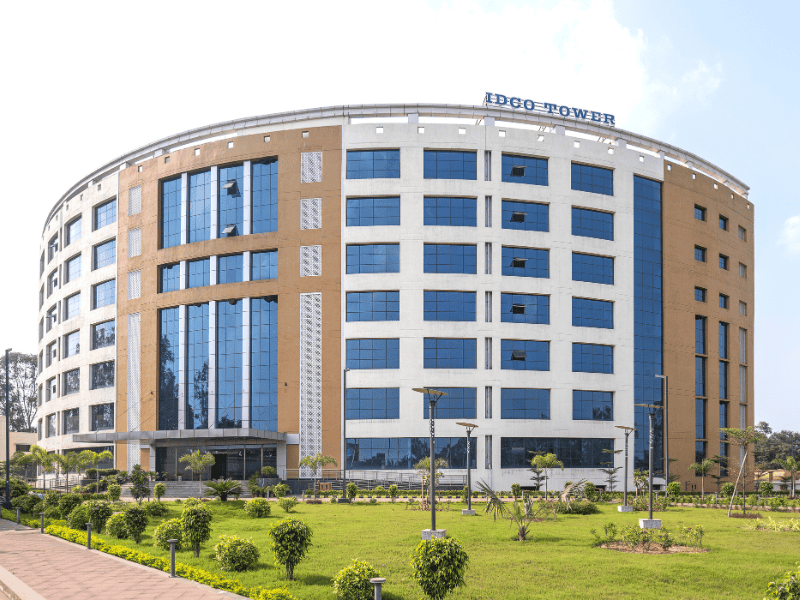
How ACP Panels Withstand Harsh Industrial Environments
One of the primary reasons ACP panels in industrial buildings have become a preferred choice is their ability to withstand extreme conditions. Their performance is rooted in a combination of material composition, surface coatings, and mechanical properties that ensure protection against temperature fluctuations, corrosive agents, and mechanical stress.
Weather Resistance and Structural Strength
ACP panels are composed of two aluminium sheets bonded to a non-aluminum core, providing exceptional rigidity while remaining lightweight. This composition offers outstanding resistance to humidity, UV rays, and corrosion, all common concerns in industrial zones across India, especially in coastal and high-pollution areas. Moreover, ACPs are known for exceptional workability that helps shape exciting, modern designs.
Chemical and Fire Resistance
High-quality, durable ACP cladding for industrial projects is often treated with specialized coatings that resist chemical vapours and fumes, a vital feature for chemical plants, refineries, and manufacturing units. Many ACP options also meet international fire-safety standards, providing an extra layer of protection where flammable materials may be present.
Impact and Load Tolerance
Industrial buildings are prone to physical impacts due to the movement of equipment and vehicles. Industrial ACP cladding offers superior impact tolerance compared to traditional materials like steel sheets or plaster. This means fewer dents, reduced surface damage, and lower maintenance over time.
Design Flexibility for Modern Industrial Spaces
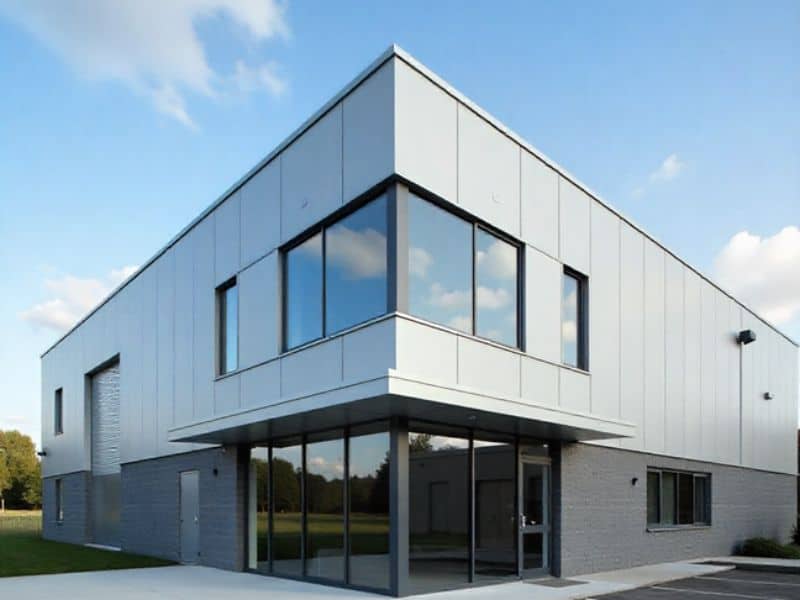
Gone are the days when industrial buildings were plain and purely functional. Today, industrial design embraces visual identity and brand expression. The versatility of ACP panels in industrial buildings enables architects to achieve this balance seamlessly. Their lightweight yet strong structure allows easy bending, folding, and curving without cracking, which helps architects create unique forms and dynamic façade geometries suited for industrial architecture. This malleability makes ACPs ideal for achieving custom contours, streamlined signage, or design continuity across complex façades.
ACP sheets are also available in a wide range of finishes—metallic, matte, stone, woodgrain, and brushed textures—enabling industrial facilities to blend modern aesthetics with durability. They can be seamlessly combined with materials like glass or steel, creating cohesive designs that balance ruggedness with sophistication. Moreover, large panel formats reduce visible joints, offering clean, uniform surfaces that suit industrial visual identities.
Lightweight Yet Strong
Because durable ACP cladding for industrial projects is lightweight, it reduces the overall load on the building frame, allowing for more ambitious and creative designs without compromising safety or increasing construction costs.
Modern Aesthetics
For architects and government bodies aiming to modernize industrial corridors, ACP for industrial buildings offers a contemporary look that can transform outdated spaces into visually appealing hubs. The panels maintain their sheen and colour for years, ensuring that buildings continue to look new even in challenging environments.
Maintenance Advantages of ACP in Industrial Settings
Low maintenance is one of the defining characteristics of industrial ACP cladding. Unlike concrete or steel surfaces that require frequent painting or treatment, ACP panels retain their finish with minimal effort.
Ease of Cleaning
Routine cleaning with mild detergents is typically enough to restore ACP surfaces. Even in dusty or polluted zones, the smooth coating prevents dirt from clinging, making maintenance quick and cost-effective.
Long-Term Reliability
Because ACPs do not rust, warp, or crack easily, it significantly reduces the need for replacements. The panels can also be easily replaced in small sections without affecting the overall façade, a crucial benefit for large-scale industrial facilities.
This maintenance efficiency further strengthens the case for durable ACP cladding in industrial projects, proving that beauty and practicality can indeed coexist in industrial architecture.
Cost Efficiency Over the Building’s Lifespan
- Reduced Maintenance Costs: With minimal upkeep and long-lasting finishes, the lifetime maintenance expense is drastically lower.
- Energy Efficiency: ACP panels contribute to thermal insulation, helping maintain optimal interior temperatures and reducing energy bills in climate-controlled industrial units.
- Installation Speed: ACP panels are easy to install, lowering labour costs and reducing project timelines, a major advantage for industrial operations where time equals money.
In short, industrial ACP cladding not only enhances durability and design but also delivers a high return on investment, making it the intelligent choice for modern industrial construction.
Also Read : The Future of Energy-Efficient Facade Cladding for Modern Facade Design

Conclusion
In an era where efficiency, sustainability, and aesthetics are equally important, ACP panels in industrial buildings stand out as the material of the future. They embody the perfect blend of form and function, combining durability, adaptability, and style.
For architects, builders, and government bodies in India seeking to create long-lasting, efficient, and visually compelling industrial spaces, durable ACP cladding for industrial applications offers a transformative solution. From reducing maintenance costs to elevating design standards, ACPs continue to redefine how industrial architecture is built for the next generation.
FAQs
Q1: Can ACPs withstand chemical exposure in industrial areas?
Yes. High-grade industrial ACP cladding is designed with protective coatings that resist chemical fumes, acids, and solvents commonly found in industrial environments, making it ideal for chemical and manufacturing facilities.
Q2: How long can ACPs last in heavy-duty environments?
With proper installation, ACP panels for industrial buildings can last over 20 years, retaining their structural integrity and finish even under continuous exposure to challenging conditions.
Q3: Is ACP suitable for both interior and exterior industrial applications?
Absolutely. Durable ACP cladding for industrial use can be applied to both exterior façades and interior partitions, offering cohesive design and performance throughout the facility.
Q4: Do ACPs require special cleaning in dusty or polluted settings?
No special cleaning is needed. Regular washing with mild detergent and water is sufficient. The smooth surface of ACP for industrial buildings prevents dust accumulation and helps maintain a clean, professional appearance.