
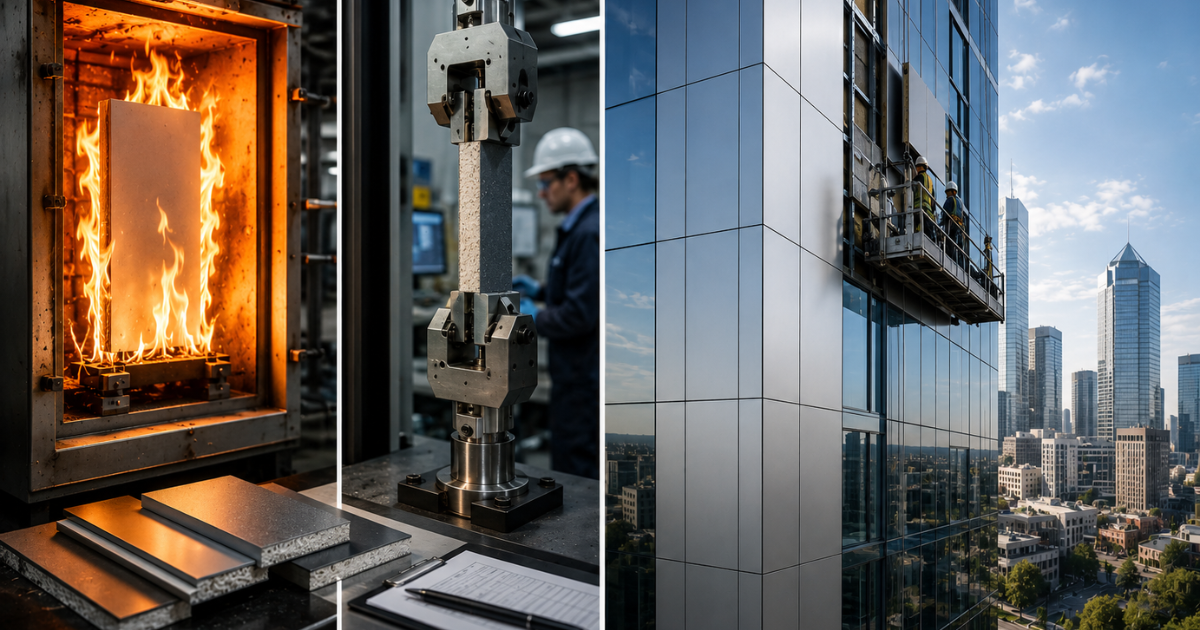
Walk into any large construction project today and you will notice something interesting happening behind the scenes. Developers are not just asking about finishes, colours or pricing anymore. They are asking for test reports. Independent reports. Verified reports. And not the kind that sit quietly inside a manufacturer’s internal quality file.
Let’s be honest. When a project runs into hundreds of crores, nobody wants to rely purely on a brochure claim.
That is exactly why third party testing ACP has started becoming a serious requirement across large commercial buildings, airports, hospitals and government projects. Consultants want documentation. Fire auditors want validation. And investors want reassurance that the materials used on the façade will actually perform the way they promise.
And if you think about it, it makes perfect sense. Aluminium composite panels form a large part of the external envelope of modern buildings. They face heat, UV radiation, wind loads, pollution and of course fire risks. So naturally, third party testing for ACP panels and third party ACP testing for safety are gaining importance in project specifications.
May sound technical, but it is actually about something very simple. Trust.
What Is Third-Party Testing in Construction Materials?
In construction, third party testing simply means evaluation conducted by an independent accredited laboratory that has no commercial connection with the manufacturer or the project developer.
These laboratories typically operate under internationally recognised systems such as ISO/IEC 17025 accreditation. That means their testing methods, equipment calibration and reporting standards are audited regularly.
When we talk about third party testing ACP, we are referring to panels being evaluated under recognised performance standards. For instance:
- Fire reaction tests under standards like EN 13501-1 or ASTM E84
- Mechanical strength tests for wind load resistance
- Coating durability tests like salt spray resistance and UV exposure
- Adhesion strength between aluminium skins and the core
And yes, the difference between internal testing and third party testing for ACP panels is huge. Internal labs help maintain production quality. But independent testing creates confidence across stakeholders who need unbiased validation.
You know what I mean. When someone outside the company confirms the numbers, the credibility simply multiplies.
Why Developers & Consultants Are Prioritising Independent Verification
Large projects involve multiple layers of decision makers. Architects, façade consultants, fire auditors, project management companies and sometimes even international funding bodies.
Each stakeholder is accountable for safety and performance.
And this is where third party testing ACP becomes valuable. Independent verification gives consultants measurable data that can be referenced during design approvals and technical submissions.
For instance, façade consultants evaluating aluminium composite panels will often ask for:
- Fire classification standards
- Weathering test reports
- Structural performance documentation
- Adhesion and peel strength tests
Without these, specification approvals become difficult.
And increasingly, third party testing for ACP panels is being written directly into tender documents. In other words, manufacturers are expected to provide laboratory-backed proof before their materials even enter the conversation.
But honestly, this is a healthy development for the industry.
Because verified data reduces ambiguity.
Role of Third-Party Testing in Fire Safety Compliance
Fire safety has become one of the most sensitive topics in façade design across the world. And rightly so.
External cladding materials can influence flame spread, smoke development and heat release during a fire incident. Which is why testing under recognised standards is critical.
This is exactly where third party ACP testing for safety becomes indispensable.
Independent fire testing may include:
- Surface burning characteristics under ASTM E84
- Reaction to fire classification under EN 13501-1
- Core combustibility evaluation
- Smoke density measurements
When these tests are conducted by accredited laboratories, the results carry regulatory weight. Consultants can confidently evaluate whether the panel meets the required fire classification for the project.
And naturally, third party testing ACP gives building developers documented proof that the façade material has undergone controlled fire evaluation.
From our side at Aludecor, we believe fire performance should never be based on assumptions. It must be supported by certified reports. Every single time.
Ensuring Material Performance & Durability
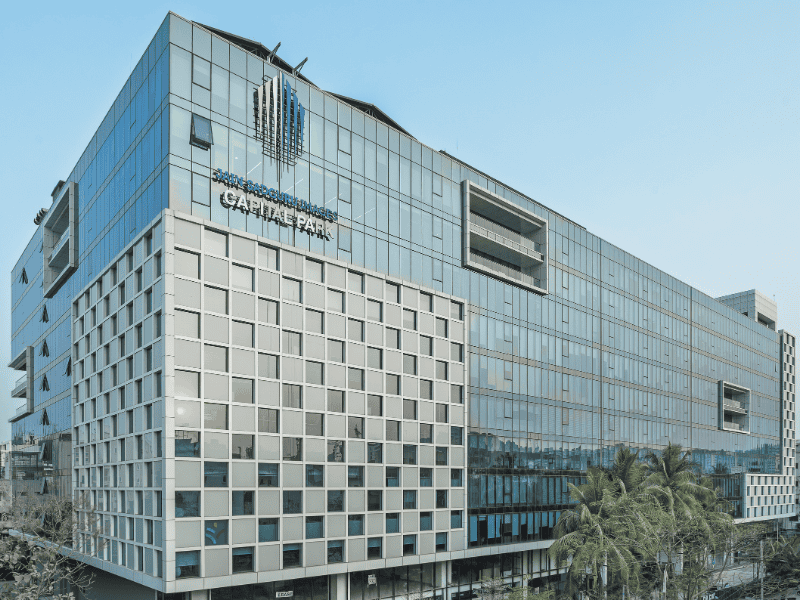
A façade is expected to survive decades of environmental stress. Heat. Rain. Pollution. UV radiation. Structural movement.
And aluminium composite panels face all of it.
That is why durability testing plays a massive role in third party testing ACP. Independent laboratories evaluate several long-term performance parameters such as:
- Salt spray resistance for corrosion behaviour
- Accelerated weathering under UV exposure
- Impact resistance of the panel surface
- Peel strength between aluminium skins and core
At Aludecor, our panels undergo extensive testing because durability is not just about appearance. It is about structural integrity of the panel over time.
And that is exactly where third party testing for ACP panels becomes valuable. Consultants reviewing façade materials want to see documented evidence that the panel coating and bonding system can withstand environmental exposure.
You may install thousands of square metres of ACP on a building. But if the adhesion fails or the coating fades prematurely, the entire façade reputation collapses.
Testing avoids that risk.
Also Read : The Science Behind Long-Term Colour Stability in ACP Sheets
Reducing Project Risk & Liability
Large infrastructure projects involve complex contractual frameworks. And whenever something goes wrong, responsibility becomes a very serious matter.
Which is why developers are increasingly relying on third party ACP testing for safety to reduce liability exposure.
Think about it.
If a material failure occurs and the manufacturer cannot produce accredited test reports, the risk shifts directly onto the project stakeholders.
But when third party testing ACP documentation exists, it demonstrates that the material was evaluated independently before installation.
In simple words, third party testing acts like a technical shield. It protects everyone involved in the project.
Impact on Approvals, Tenders & Government Regulations
Many government and institutional projects now require documented testing evidence during the tender submission stage itself.
You will often see specification clauses that mention:
- Accredited laboratory testing
- Fire performance certification
- Environmental durability reports
Which means third party testing ACP is not just a quality advantage anymore. In many cases, it is a qualification requirement.
Public infrastructure projects such as airports, metro stations, hospitals and government buildings cannot afford uncertainty in façade performance.
This is why third party testing for ACP panels is being referenced more frequently in procurement guidelines.
And to be fair, this shift improves industry transparency.
Manufacturers who invest in verified testing stand apart from those relying only on internal claims.
Building Trust with Investors & End Users
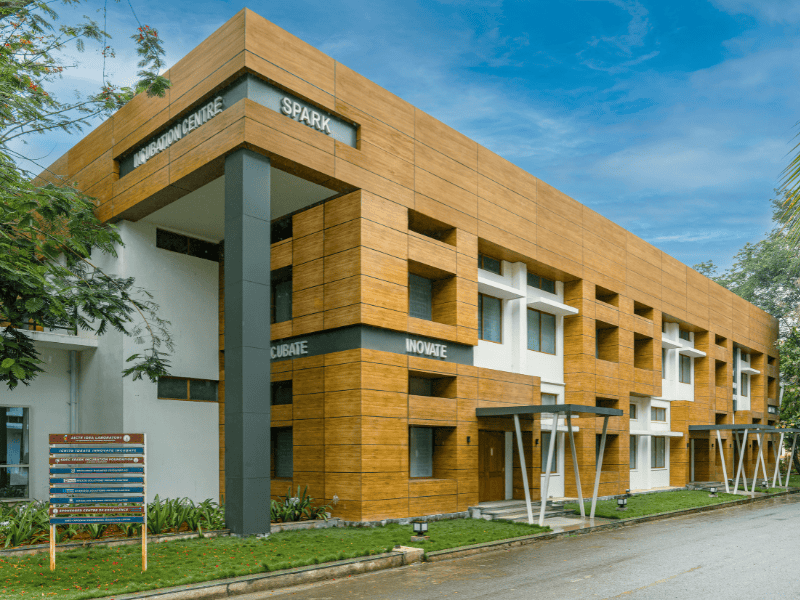
Modern real estate projects are no longer funded purely by developers. Institutional investors, private equity funds and international partners often participate in financing.
These stakeholders want reassurance.
And documentation from third party ACP testing for safety becomes part of that reassurance.
It tells investors that the building envelope materials have undergone professional evaluation. Not just marketing statements.
Similarly, building occupants and facility managers benefit from this transparency.
When third party testing ACP documentation exists, it demonstrates a clear commitment to safety and durability.
Choosing Materials with Verified Test Reports
For architects and consultants selecting façade materials, the simplest rule is asking for test reports.
Specifically, ask for documentation from accredited laboratories.
At Aludecor, we encourage consultants and developers to review our testing documentation because transparency matters. Our panels undergo multiple quality and durability evaluations to ensure reliable façade performance.
And this approach aligns perfectly with the growing emphasis on third party testing ACP across large projects.
Because when third party testing for ACP panels becomes part of the material selection process, it eliminates uncertainty early in the design stage.
Also Read : ACP Testing Methods Explained: A Technical Guide for Architects and Fabricators
The Rising Importance of Third-Party Testing in Façade Materials
Construction projects are becoming larger, more complex and more scrutinised. Which naturally means material verification is no longer optional.
Independent testing has moved from being a technical formality to a strategic requirement.
Today, third party testing ACP plays a crucial role in fire safety validation, durability assurance and regulatory compliance. It helps consultants make informed decisions and gives developers the documentation they need for approvals and risk management.
And equally important, third party ACP testing for safety strengthens confidence among investors, building owners and occupants.
From our perspective at Aludecor, the future of façade materials will increasingly revolve around verified performance.
Because when materials are backed by credible testing, the entire project stands on stronger ground.
Call us at 1800-102-0407 or visit aludecor.com/enquiry to explore ACP solutions designed for performance and long-term aesthetic value.
FAQs
What is third-party testing in construction projects?
Third-party testing refers to the evaluation of construction materials by independent laboratories that are not connected with the manufacturer or project developer. These laboratories follow accredited testing systems such as ISO/IEC 17025 to ensure accuracy and reliability.
In façade materials like ACP, third party testing ACP involves analysing fire performance, coating durability, structural strength and bonding integrity. Independent reports provide objective data that consultants and regulatory authorities can rely on when approving materials for large projects.
Does third-party testing improve fire safety compliance?
Yes, significantly. Fire safety compliance often requires materials to meet recognised fire classification standards such as EN 13501-1 or ASTM E84.
Through third party ACP testing for safety, aluminium composite panels are evaluated under controlled laboratory conditions to measure flame spread, smoke generation and combustibility characteristics. These verified results allow consultants and fire auditors to determine whether the panel is suitable for the building’s fire safety requirements.
Is third-party certification mandatory for large projects?
In many cases it is not legally mandatory across all projects, but it is increasingly becoming a specification requirement. Government infrastructure projects, commercial high rises and institutional buildings often request third party testing for ACP panels as part of the tender submission process.
Providing independent test reports improves the chances of material approval and demonstrates that the manufacturer follows verified quality standards.
How does third-party testing reduce project risk?
Construction failures often lead to disputes around material performance. When independent testing reports are available, they demonstrate that the product met recognised technical standards before installation.
With third party ACP testing for safety, developers and consultants gain documented proof of compliance related to fire behaviour, durability and mechanical performance. This reduces legal exposure, improves insurance acceptance and strengthens overall project accountability.