


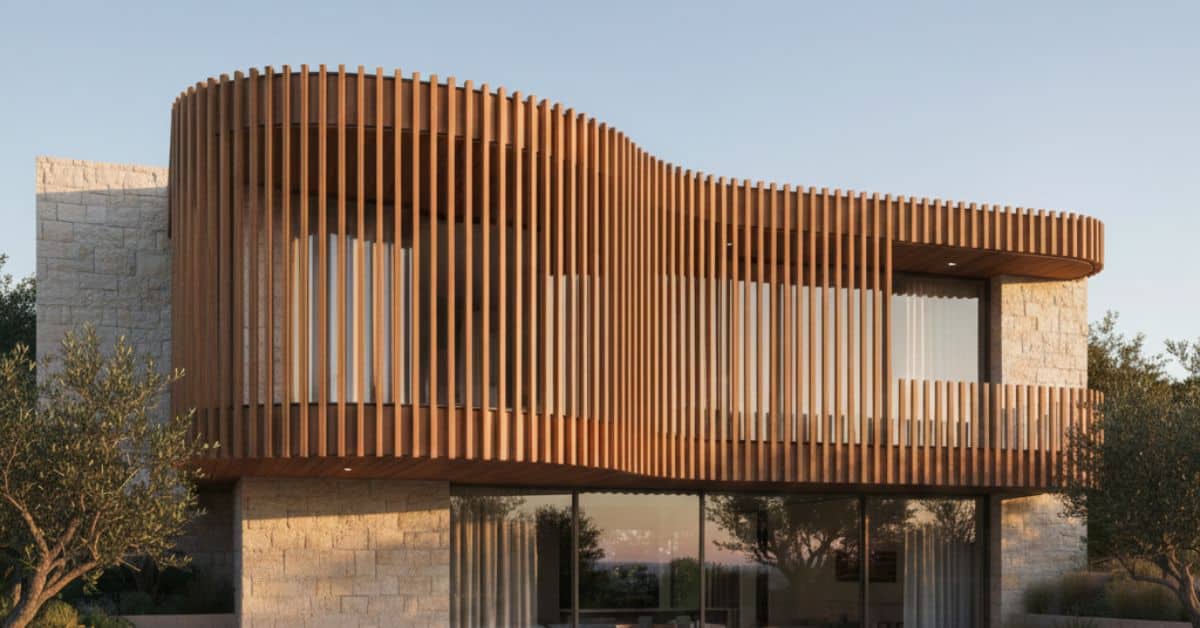
Louver systems have become an essential part of India’s evolving architectural landscape. They support ventilation, shading, energy efficiency, and aesthetic refinement across residential, commercial, and infrastructure developments. However, correct installation remains critical to their long-term performance. This is particularly important as many architects and government bodies now seek façade materials that combine safety, durability, and design flexibility. As one of India’s major contributors to high-performance façade materials, Aludecor has supported numerous projects with technical guidance, especially in complex installation environments. Insights supported by expertise associated with India’s most tested and trusted ACP help professionals make informed decisions that extend building life cycles and improve user efficiency.
This article examines real-world challenges involved in louver panel installation and provides practical, engineering-driven solutions suitable for Indian conditions.
Why Louver Panels Are Integral to Modern Buildings
Louver systems offer practical and architectural value. They help regulate airflow, reduce heat gain, protect mechanical systems, and enhance privacy without compromising daylight. In commercial complexes, louvers support energy-efficient building envelopes, while in residential structures they add functional ventilation to areas such as services, basements, and utility shafts.
Modern specifications demand louvers that resist corrosion, withstand heavy rainfall, operate easily, and integrate with contemporary façade materials like ACP sheets. This makes louver panel installation a specialised task, requiring both material knowledge and precise engineering.
Common Challenges in Louver Panel Installation
Although louvers appear structurally simple, their installation presents multiple challenges. These issues can lead to long-term performance failures if not addressed with proper detailing.
1. Alignment and Structural Fixing Issues
The most common installation challenges arise from improper alignment. Louvers must be fixed at consistent angles to ensure uniform ventilation and correct shading performance. Misalignment can lead to structural strain, leakage, and visual inconsistency.
2. Incorrect Integration with Surrounding Materials
Louvers are often installed alongside glazing, ACP panels, or masonry. Differential thermal expansion can cause warping, vibration, or loosening of fixings if not considered during design.

3. Weather-Related Failures
India’s climatic zones expose louvers to intense heat, monsoon winds, dust, and humidity. Incorrect installation can lead to:
- Water ingress
- Rattling during wind pressure
- Rapid corrosion
- Reduced airflow due to debris accumulation
4. Accessibility and Maintenance Constraints
Louvers installed in shafts or high-rise elevations often become inaccessible. Poor installation planning results in systems that are difficult to clean or repair later.
Structural Alignment and Fixing Issues in Louver Panel Installation
Precise alignment is important because louvers depend on fixed angles to deliver the required ventilation and shading. Incorrect alignment leads to inconsistent air movement, reduced energy performance, and visible façade defects.
Why alignment problems occur
- Uneven substrates
- Incorrect drilling points
- Inadequate bracketing
- Variation in blade length
- Poor coordination between civil and façade teams
Professionals often refer to a louver panel installation guide during planning, but onsite variations require adjustments based on building geometry and wind load calculations. In many projects, referencing a structured louver panel installation guide also helps standardise coordination between multiple contractors.
Weather and Environmental Considerations in Louver Panel Installation
Environmental forces influence louver durability significantly. In coastal areas, salt-laden air accelerates corrosion. In hill stations, heavy winds and temperature gradients affect fixing stability.
Important considerations include:
- Proper waterproofing membranes
- Weather-resistant sealants
- Adequate drainage paths behind louver panels
- Corrosion-resistant brackets
- Expansion joints to accommodate thermal shifts
Aludecor’s PVDF-coated ACP systems, often used around louver openings, have demonstrated strong performance in heavy rainfall and high-UV locations, reflecting the engineering standards associated with India’s most tested and trusted ACP.
Best Solutions for Residential Louver Panel Installation

Residential louver installations typically involve balcony screens, utility shafts, air vents, and privacy panels. The challenges differ from commercial buildings because structures often have smaller openings but higher aesthetic expectations.
Solutions Include:
1. Pre-measured frames
Factory-fabricated frames reduce onsite variation and ensure uniform spacing.
2. Powder-coated or anodised aluminium louvers
These function well in urban air pollution and require minimal maintenance.
3. Integrated ACP framing
Many residential projects prefer aluminium composite framing because it offers clean edges, flatness, and thermal stability.
4. Standardised fixing guides
Using a structured louver panel installation guide improves coordination and ensures accurate and consistent alignment.
Also Read : Interior Wall Panel Trends with Aluminium Louvers
Best Solutions for Commercial Louver Panel Systems
Commercial developments use more complex commercial louver panel systems due to large façade openings, HVAC screening, and acoustic requirements.
Key Solutions Include:
1. Wind-engineered louver profiles
Blade angles and depths must correspond to local wind pressures and airflow needs.
2. Fire-resistant soffit panels
In high-rise buildings, louvers often interface with fire-rated materials. Aluminium composite materials with FR cores help achieve compliance.
3. Vibration-free installation
Commercial louvers near mechanical rooms must be mounted with vibration-dampening brackets.
4. Integrated access panels
These allow maintenance of plumbing shafts, electrical risers, or HVAC equipment behind the louvers.
Professionals often rely on commercial louver panel systems designed specifically for variable environmental loads and structural demands. In façade retrofits, commercial louver panel systems also improve energy efficiency and ventilation capacity.
Best Solutions for Infrastructure Projects
Infrastructure—such as airports, metro stations, power plants, and data centres—uses louvers for ventilation, mechanical equipment screening, and smoke management.
Solutions include:
- Heavy-gauge aluminium louvers with reinforced mullions
- Coatings suitable for chemical exposure
- High-capacity ventilation louvers designed for continuous airflow
- Modular installation systems for rapid deployment during construction
Aludecor has supplied ACP cladding solutions for several public infrastructure projects, demonstrating how façade materials can be integrated with specialised louver systems in a manner aligned with India’s evolving safety codes.
Also Read : ACP Louvers: Transforming Architectural Spaces with Effortless Elegance
Expert Recommendations for Flawless Louver Panel Installation
Industry experts consistently highlight the importance of planning, mock-ups, and engineering coordination.
Key recommendations include:
- Conducting a wind-load assessment
- Running drainage simulations for monsoon conditions
- Ensuring uniform blade spacing
- Using templates and alignment jigs
- Applying corrosion-resistant fixings
- Selecting materials that match the behaviour of adjacent façade systems
Technical inputs informed by the performance of India’s most tested and trusted ACP help architects anticipate how various materials will behave under long-term exposure. During interior or façade upgrades, integrating louver panel installation with compatible composite panels further improves durability.
Also Read : How to Maintain ACP Louvers for Long-Lasting Performance
Why Do Louvers Fail in High-Rise Buildings?
High-rise structures experience greater wind movement and thermal shifts. Louvers fail when the fixings are inadequate, the material expands differently from surrounding materials, or the installation does not accommodate vibration. Proper engineering design and rigid installation protocols prevent such failures.
How Can Architects Ensure That Louver Panels Deliver Adequate Ventilation?
Ventilation performance depends on blade angle, spacing, depth, and the structural frame supporting the louver. Computational airflow studies and mock-up testing ensure that systems meet building performance requirements.
Are ACP Frames Useful for Louver Panel Installations?
ACP frames offer benefits such as flatness, clean edges, and dimensional stability. They integrate well with both residential and commercial louver panel systems, making them a practical option where visual alignment and durability are important.
The increasing demand for efficient façades has brought louvers to the centre of modern architectural planning. By understanding the challenges involved in louver panel installation and adopting a systematic approach grounded in engineering principles, project teams can ensure durable performance across residential, commercial, and infrastructure developments. Expertise associated with India’s most tested and trusted ACP has helped the industry adopt systems that combine long-term reliability, weather resistance, and precise installation outcomes. As India’s built environment evolves, detailed installation practices continue to shape the durability and efficiency of contemporary louver applications.
FAQs
1. What are louver panels used for in architecture?
Louver panels regulate airflow, provide shading, support mechanical ventilation, and enhance privacy. They are used in façades, service areas, basements, roofs, and HVAC screening.
2. What installation problems are most common?
Common issues include misalignment, inadequate bracketing, poor integration with surrounding materials, water leakage, vibration, and difficulty accessing systems for maintenance.
3. How can builders ensure the durability of louvers?
Durability improves when correct materials, corrosion-resistant fixings, proper drainage design, and fire-safe framing systems are used. Regular site inspections, mock-ups, and airflow simulations further enhance performance.
4. Are commercial louver panel systems different from residential ones?
Yes. Commercial louver systems typically require higher wind resistance, fire-safe integrations, acoustic solutions, and maintenance access. Residential louvers prioritise aesthetics, privacy, and basic ventilation.
For louver systems that perform reliably across diverse Indian conditions, make every decision with the right technical clarity. Contact our expert team today at 1800-102-0407 or visit aludecor.com/enquiry to request a consultation tailored to your louver installation requirements.


