
Commercial architecture today is no longer just about enclosing space. The façade has become an active part of how a building performs. It controls sunlight, airflow, thermal behaviour and, of course, how the structure presents itself to the city around it.
This shift has quietly brought one element back into the spotlight. Louvers.
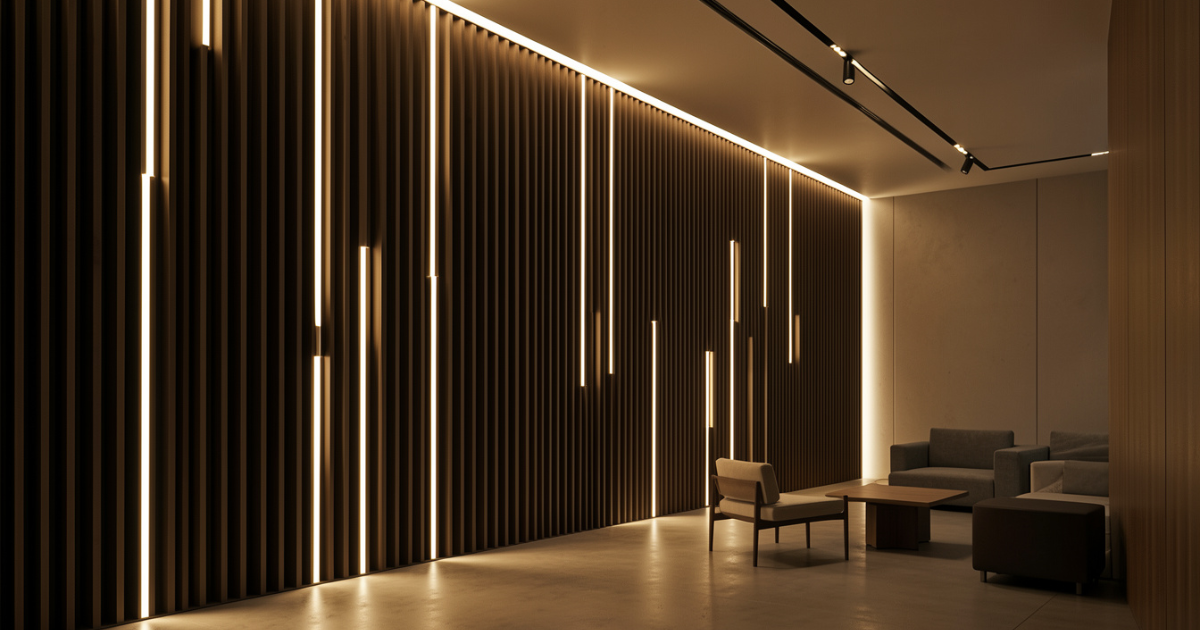
Let’s be honest. Louvers were once considered purely functional components, often hidden around mechanical rooms or service zones. But architects now see them differently. Today, louvers for building facades are used not only to manage airflow and shading but also to create texture, rhythm and visual depth on the building exterior.
And when designed thoughtfully, louvers can perform multiple roles at the same time. They allow ventilation while protecting interiors from rain. They filter sunlight while reducing cooling loads. They conceal equipment while enhancing the architectural identity of the building. Modern performance louvers architecture is essentially about balancing environmental efficiency with aesthetic clarity. The result is a façade that works harder and looks better while doing it.
Understanding how architects are using louvers for building facades today reveals why they have become such an important part of contemporary building design.
The Dual Purpose of louvers for building facades: Aesthetics and Performance
The most interesting thing about louvers for building facades is that they operate at the intersection of function and design.
From a performance perspective, louvers regulate airflow, control solar exposure and protect internal spaces from weather. But from a design perspective, they also create façade articulation. The spacing, angle and rhythm of the fins generate shadows that shift throughout the day.
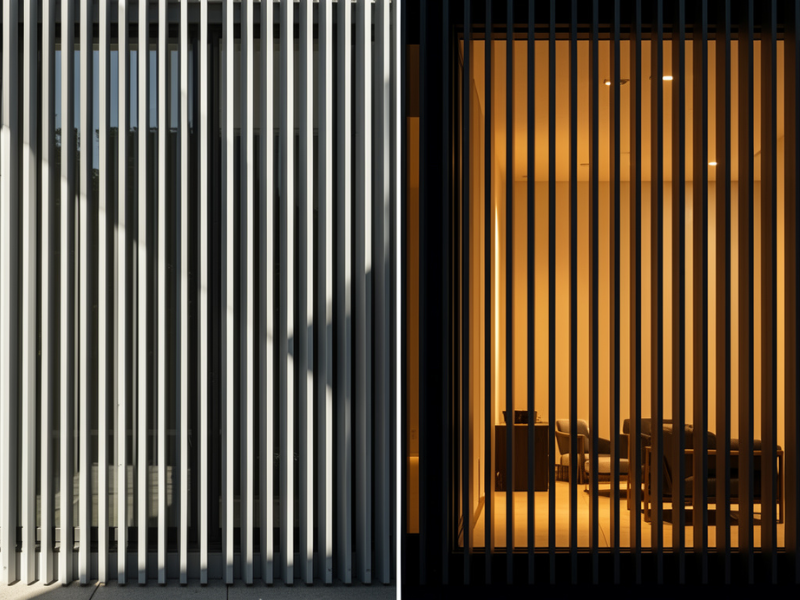
You know what I mean. A building that changes character as sunlight moves across it. Architects often use aesthetic louvers design to add a second layer to the façade. Instead of a flat wall or curtain wall system, louvers introduce dimensional depth. This layered façade approach improves both visual interest and environmental performance. The orientation of the louvers also matters. Horizontal louvers are typically used on south-facing elevations to block high-angle summer sun. Vertical fins help manage low-angle sunlight coming from the east or west. And when these systems are integrated properly, performance louvers architecture begins to influence the building’s thermal behaviour as well.
That is where louvers move from decorative elements to environmental tools.
Ventilation and Sun Control Benefits for Modern Structures
Ventilation is still one of the most essential roles of louvers for building facades.
Commercial buildings contain numerous spaces that require constant airflow. Mechanical rooms, parking areas and equipment zones all generate heat and require ventilation openings.
Louvers allow air movement while preventing rainwater, debris and direct sunlight from entering the building envelope.
The geometry of the fins determines how air passes through the system. Even slight adjustments in fin angle can influence airflow performance. In well-designed performance louvers architecture, this airflow behaviour is carefully studied.
Sun control is another important function.
Buildings with large glass surfaces can experience excessive solar heat gain. When sunlight passes directly through glazing, indoor temperatures rise quickly. Cooling systems then need to work harder to maintain comfort levels.
Louvers act as a shading filter.
By intercepting solar radiation before it reaches the glass, louvers for building facades reduce internal heat gain. This passive shading strategy helps stabilise indoor temperatures and reduces the energy demand on mechanical cooling systems.
And that combination of ventilation and shading is exactly why louvers are increasingly integrated into modern building envelopes.
Also Read : How Builders Can Balance Aesthetics and Functionality with Aluminium Louvers
Material Choices and Finish Options to Suit Different Design Styles
Material selection plays a significant role in how louvers for building facades perform over time.
Aluminium is the most commonly used material for architectural louvers. It offers high corrosion resistance while remaining lightweight and structurally stable. Aluminium alloys such as AA3105 are often used in façade applications because they maintain durability under varied climatic conditions.
Many aluminium louver systems are designed to operate within temperature ranges between roughly −20°C and +80°C. This makes them suitable for a wide range of environmental conditions.
Surface coatings further enhance durability. Architectural coating systems typically follow performance guidelines similar to AAMA 2604 or AAMA 2605, which test resistance to UV exposure, moisture and environmental corrosion.
But material durability is only part of the story.
Architects also rely heavily on aesthetic louvers design to complement the visual language of the building. Louvers can be finished in metallic tones, matte colours or customised shades that align with the overall façade palette.
Some projects use slender vertical fins to create a sense of height. Others use wide horizontal louvers that emphasise the building’s width.
In many cases, performance louvers architecture becomes a defining element of the building’s exterior identity.
How Louvers Improve Energy Efficiency in Buildings
Energy efficiency has become a major priority in contemporary architecture. Building façades are expected to contribute to thermal performance rather than simply enclosing the interior space.
That is where louvers for building facades become particularly valuable.
By controlling solar exposure, louvers help reduce heat gain through glazing surfaces. This directly lowers the cooling load on HVAC systems. Even small reductions in solar heat gain can significantly improve energy performance over the life of a building.
Louvers also support daylight management.
Instead of blocking sunlight entirely, carefully angled louvers allow diffused daylight to enter the interior while limiting glare. This creates a more comfortable indoor environment for occupants while reducing the need for artificial lighting during daytime hours.
In some cases, performance louvers architecture works together with ventilated façade systems to create airflow behind the cladding surface. This helps regulate façade temperatures and prevents heat buildup.
When architects combine shading, ventilation and daylight management strategies, louvers for building facades become part of a broader passive design approach. And that approach is increasingly essential in energy-conscious building design.
Also Read : Top 7 Functional and Aesthetic Benefits of Architectural Louvers in Commercial Projects
Why Louvers for building facade Continue to Shape Contemporary Facade Design
Architecture today must respond to environmental conditions while maintaining a strong visual identity. Buildings are expected to manage sunlight, airflow and energy consumption while still presenting a clear architectural character.
Louvers help achieve that balance.
They regulate ventilation. They control solar exposure. They contribute to energy efficiency. And they enhance the visual composition of building façades.
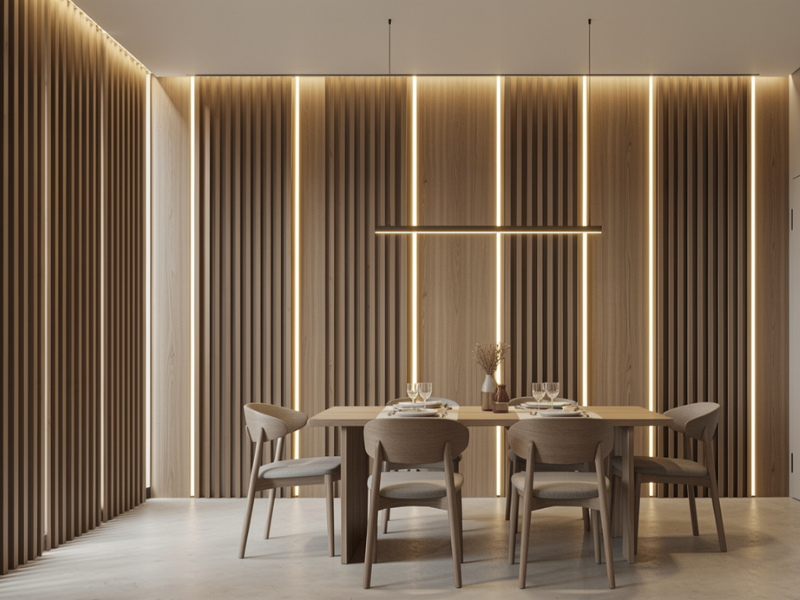
Through thoughtful aesthetic louvers design, architects can transform a simple building envelope into something far more expressive. At the same time, performance louvers architecture ensures that these visual elements also serve practical environmental functions. That dual capability explains why louvers for building facades are increasingly used across commercial buildings, institutional campuses and transport hubs.
Contact our expert team today at 1800-102-0407 or visit aludecor.com/enquiry to request a consultation and explore façade solutions tailored for your next architectural project.
FAQs
Where are architectural louvers most commonly used?
Architectural louvers are widely used in commercial and institutional buildings where ventilation, shading and equipment screening are required. They are commonly installed around mechanical floors, parking structures, rooftop equipment zones and façade shading systems. In our projects, we often integrate louvers for building facades to create a clean façade appearance while allowing airflow to mechanical zones. This ensures the building maintains both functional ventilation and visual consistency.
How do louvers help in energy-efficient building design?
Louvers improve energy efficiency by controlling solar radiation before it enters the building interior. By filtering sunlight, louvers for building facades reduce heat gain through glazing and help stabilise indoor temperatures. We often recommend louver systems that support passive shading strategies. When combined with proper façade orientation and glazing systems, this approach reduces cooling demand and contributes to energy-efficient building performance.
Can louvers be customized in size, colour, and pattern?
Yes, modern louver systems can be customised to suit both functional and design requirements. Architects can adjust fin angles, spacing, orientation and colour finishes depending on the building’s orientation and architectural concept. In our façade solutions, we often develop aesthetic louvers design that aligns with the overall façade language while maintaining ventilation and shading performance.
Do architectural louvers require regular maintenance?
Architectural louvers typically require minimal maintenance, especially when manufactured from corrosion-resistant materials such as aluminium. Routine inspection and occasional cleaning are usually sufficient to maintain their performance and appearance. Our façade systems are designed to provide durable performance louvers architecture that continues to function effectively even in demanding environmental conditions.