

India’s architectural landscape is evolving rapidly, with building materials becoming more specialised, durable, and performance-driven. Among these materials, zinc cladding has started gaining strong interest across commercial, institutional, and premium residential projects. The rising awareness about façade longevity, sustainability, and refined aesthetics has created a promising market for zinc-based façades. For many architects, builders, and procurement stakeholders, evaluating the Potential of Zinc Cladding in India has become essential when planning long-term façade strategies. India’s most tested and trusted ACP brand, Aludecor is at the forefront of façade material development and is deeply involved in industry conversations surrounding surface durability, environmental performance, and climate-driven design systems.
This article provides a comprehensive overview of zinc cladding’s functional strengths, market drivers, business potential, and long-term feasibility across India’s diverse climatic regions.
What Is Zinc Cladding and Why It’s Gaining Attention in India
Zinc cladding refers to the use of zinc sheets or zinc composite materials as an exterior façade covering. It is valued for its natural patination, self-healing properties, and long lifespan. Globally, zinc façades are known for their ability to age gracefully, transitioning through shades of blue-grey and graphite without compromising structural integrity.
Growing interest in the Potential of Zinc Cladding in India is largely due to:
- Increasing preference for low-maintenance façade systems
- Rising awareness about sustainable building materials
- Premium architectural projects seeking refined and organic visual textures
- Long-term cost advantages in lifecycle performance
Professionals interested in Understanding Zinc Cladding often turn to case studies from Europe and East Asia, where zinc façades have remained stable for decades. As India’s construction sector matures, this material category is gradually becoming a viable option.

Key Market Trends Driving Demand for Zinc Cladding
Several shifts in the building materials market have contributed to the growing Potential of Zinc Cladding in India:
1. Rising focus on sustainability
Zinc is 100% recyclable and has one of the lowest embodied energies among metal cladding materials. Its natural patina reduces repainting and maintenance cycles.
2. Growth in premium architecture
Urban redevelopment and institutional infrastructure have pushed demand for long-lasting, high-value façade materials.
3. Increasing reliance on imported speciality materials
As Indian architects explore global design influences, materials supplied by established zinc cladding suppliers in India are gaining traction.
4. Shift toward performance-led design
Extended lifespan, weather resilience, and low maintenance align with specifications in government, transit, and high-end commercial projects.
Together, these factors indicate that the overall Potential of Zinc Cladding in India is likely to grow steadily in the next decade.
Also Read : Uses of Zinc in Modern Architecture & Construction
Functional Benefits – Dealers Should Highlight (Durability, Weather Resistance, Longevity)
Dealers evaluating zinc’s business potential must understand its functional strengths. These factors strongly influence purchasing decisions in public, commercial, and institutional sectors.
Durability
Zinc forms a protective patina when exposed to air. This patina self-heals minor scratches and prevents corrosion, a key advantage in monsoon-heavy regions.
Weather resistance
Zinc cladding is suited to diverse climatic zones – including high rainfall states, coastal belts, and dry northern regions. Its expanding and contracting behaviour is stable across temperature variations.
Longevity
Buildings using zinc panels internationally retain performance for 75 years and above depending on installation quality.
These qualities are central to the Potential of Zinc Cladding in India, particularly in climate-sensitive zones. Aludecor’s experience with high-performance metal cladding, especially in demanding environments, highlights the importance of careful detailing and compatible coating systems – principles that align with solutions connected to India’s most tested and trusted ACP.
Aesthetic Appeal of Zinc Cladding in Modern Architecture
Visual identity is a major factor behind the recent rise of Understanding Zinc Cladding. Zinc’s natural tones, changing patina, and matte texture offer an understated yet premium architectural expression.
Aesthetic qualities include:
- Organic colour transition over time
- Smooth yet character-rich surface texture
- Compatibility with glass, stone, and ACP
- Ability to add depth and sophistication to façades
- Versatility for heritage restorations and contemporary forms
Architects exploring the Potential of Zinc Cladding in India often compare zinc’s visual qualities with aluminium, steel, and HPL. Zinc stands out for its timeless elegance and evolving finish.
Also Read : 7 Reasons Why Architects Choose Zinc Panels

How Zinc Cladding Compares with Other Cladding Materials in India
| Parameter | Zinc Cladding | ACP (Aluminium Composite Panel) | HPL (High Pressure Laminate) | Solid Aluminium |
| Surface Behaviour | Develops natural patination that self-heals and evolves aesthetically over time | Colour-stable, flat factory-finished surface | Fixed decorative surface; no self-healing | Static metallic surface |
| Longevity | Very high – improves with age | High, but dependent on coating quality | Moderate, may fade in harsh climates | High |
| Maintenance | Minimal – no repainting or rust care required | Low maintenance | Higher maintenance in humid/coastal zones | Low maintenance |
| Aesthetic Character | Organic, living surface; premium visual depth | Clean, uniform, engineered look | Strong colours and textures | Industrial metallic appearance |
| Usage Pattern in India | Used for prestige, landmark architecture | Widely used in government, commercial & mass projects | Popular in interiors and decorative façades | Used in structural-intensive designs |
| Installation Economics | Premium installation | Economical and fast to install | Moderate | High cost of material & fabrication |
| Climate Performance | Excellent in extreme climates due to patination | Good with certified coatings | Can deteriorate in moisture-heavy zones | Very good |
| Design Differentiation | High — distinctive ageing and exclusivity | Moderate — standardised finishes | High for colour/textures | Moderate |
Also Read : Why Aluminium & Zinc Support Sustainable Construction
How Does Zinc Cladding Compare to ACP in Installation and Cost?
ACP is easier and faster to install, with lower upfront cost. Zinc cladding requires specialised detailing techniques and has higher material cost. However, zinc offers superior long-term durability and evolving natural aesthetics. The choice depends on budget, design intent, and performance expectations.
Promising market segments include:
- Airports and transport infrastructure
- Museums, cultural centres, and public buildings
- High-end residential developments
- Luxury retail stores
- Hotels and premium hospitality
- Corporate headquarters and commercial complexes
Many zinc cladding suppliers in India report increased enquiries from architects planning signature façades or environmentally conscious projects. As the industry shifts toward durable materials and lower lifecycle costs, zinc is likely to see wider adoption.
The business perspective also includes opportunities in fabrication, installation, import partnerships, and design advisory. Dealers who gain deeper Understanding Zinc Cladding will be better positioned to enter this growing segment.
Challenges and Considerations When Selling Zinc Cladding
While zinc offers strong performance, dealers must address certain challenges when exploring the Potential of Zinc Cladding in India.
1. Higher material cost
Zinc is more expensive than ACP, HPL, or standard aluminium panels.
2. Skilled installation required
Improper detailing can affect patina formation and long-term performance.
3. Limited local availability
Many zinc cladding suppliers in India rely on imported stock, affecting lead times.
4. Colour variation over time
Clients must understand natural patination and evolving shades.
5. Awareness gap
Many builders and government bodies still lack awareness about zinc’s benefits, requiring education and sampling.
Despite these challenges, the growing demand for premium façades signals rising opportunity in the zinc cladding segment.
Is Zinc Cladding Suitable for Humid or Coastal Regions?
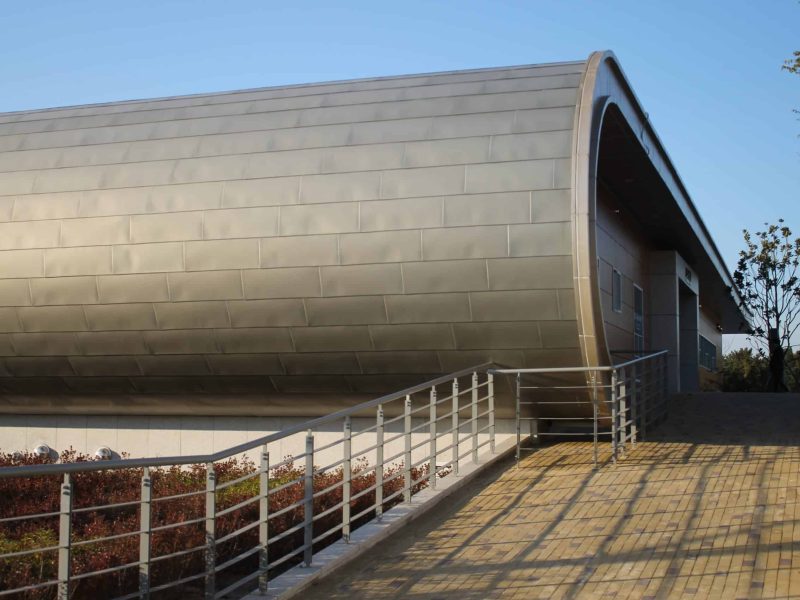
Yes. Zinc performs well in coastal regions due to its corrosion-resistant patina layer. However, proper installation detailing, drainage channels, and compatible fixings are essential for long-term performance. Many case studies globally show stable zinc façades in coastal climates.
Does Zinc Cladding Require Frequent Maintenance?
No. One of zinc’s strengths is low maintenance. Its self-healing patina reduces the need for repainting or surface treatments. Occasional cleaning is sufficient for most environments.
The potential of zinc cladding in India is steadily expanding as the construction industry increasingly prioritises materials that combine durability, environmental responsibility, and refined aesthetics. With growing interest from architects, premium developers, and institutional planners, zinc is gaining recognition as a long-term façade solution for distinctive, high-performance buildings. Backed by technical expertise aligned with India’s most tested and trusted ACP systems, the adoption of zinc cladding is poised for sustained growth across both urban and semi-urban markets. As awareness deepens and supply networks strengthen, zinc is set to play a defining role in shaping the next chapter of India’s architectural identity.
Contact our expert team today at 1800-102-0407 or visit aludecor.com/enquiry to request a consultation and explore façade solutions designed for durability, climate performance, and architectural distinction.
FAQs
1. What makes zinc cladding a profitable option for dealers in India?
High durability, premium positioning, and long-term performance make zinc attractive for developers seeking elevation differentiation.
2. How does zinc cladding compare with ACP or HPL cladding?
Zinc offers greater longevity and evolving aesthetics, while ACP and HPL provide affordability and wider design variety. The choice depends on project budget and goals.
3. Is zinc cladding suitable for Indian weather conditions?
Yes. Zinc performs well in coastal, humid, dry, and high-rainfall regions when installed with correct detailing.