
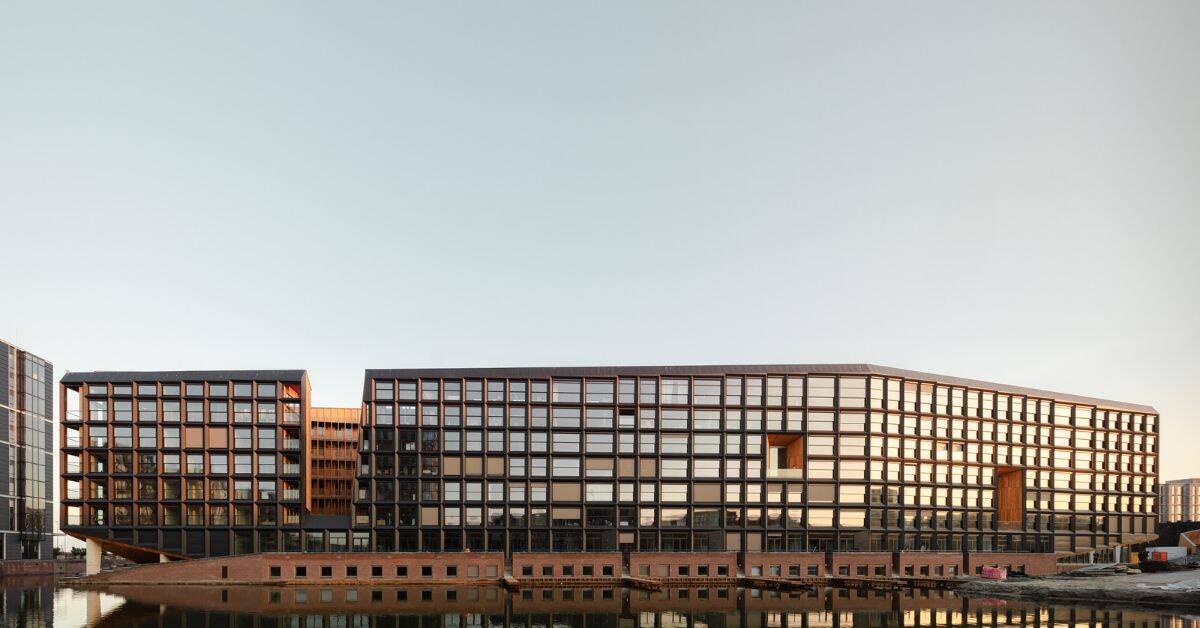
Architecture today is shaped by a growing emphasis on performance, durability, and environmental responsibility. As India’s built environment expands – stretching from residential townships and public institutions to high-performance commercial façades – architects are re-evaluating materials that can deliver strength, long-term value, and lower environmental impact. Among these advanced materials, zinc has re-emerged as a versatile, resilient, and future-ready building metal.
Globally, zinc is known for its self-healing patina layer, corrosion resistance, recyclability, and adaptability. In India, its relevance is increasing across contemporary façade systems, roofing, cladding, and interior architectural elements. As India’s most tested and trusted ACP, Aludecor frequently references zinc’s performance principles while engineering high-quality surface solutions for demanding construction environments.
This article explores the benefits of using zinc in construction, its architectural applications, and why it is becoming a preferred choice for long-life, sustainable building envelopes.
What Makes Zinc Unique? Key Properties and Advantages
Zinc is the 24th most abundant element in the Earth’s crust, making it widely available and sustainable for long-term architectural use. Its unique chemical and mechanical behaviour contribute to several important benefits of using zinc in construction, especially where durability and environmental resilience are essential.
- Natural Self-Healing Capability
One of zinc’s most notable characteristics is its ability to form a protective patina. When scratched, the surface reacts with oxygen, carbon dioxide, and moisture to regenerate the patina naturally, sealing the scratch without manual intervention.
- Exceptional Corrosion Resistance
The natural zinc patina acts as a barrier against corrosion, which makes the uses of zinc in architecture especially valuable in humid, coastal, or industrial zones.
- High Malleability and Formability
Zinc can be bent, curved, folded, and shaped with precision, enabling both traditional and avant-garde design forms. This property is a major reason how architects are using zinc panels for parametric surfaces, curvilinear façades, and heritage restorations.
- Low Melting Point = Reduced Energy Consumption
Compared to steel, aluminium, or copper – zinc requires significantly less energy to process, making it a greener construction metal.
- Long Service Life
Depending on environmental exposure, zinc cladding can last 70–100+ years, reducing replacement cycles and lifecycle emissions.
- High Recycling Efficiency
Zinc is 100% recyclable without loss of performance – reinforcing the environmental benefits of using zinc in construction.
Why do architects prefer zinc for building façades?
Architects prefer zinc because it evolves gracefully, requires minimal maintenance, resists corrosion naturally, and offers unmatched design flexibility. Its long lifespan also enhances sustainability and reduces lifecycle costs.
Also Read : 7 Reasons Why Architects Choose Zinc Panels
Exterior Applications: Roofing, Cladding, and Façade Systems
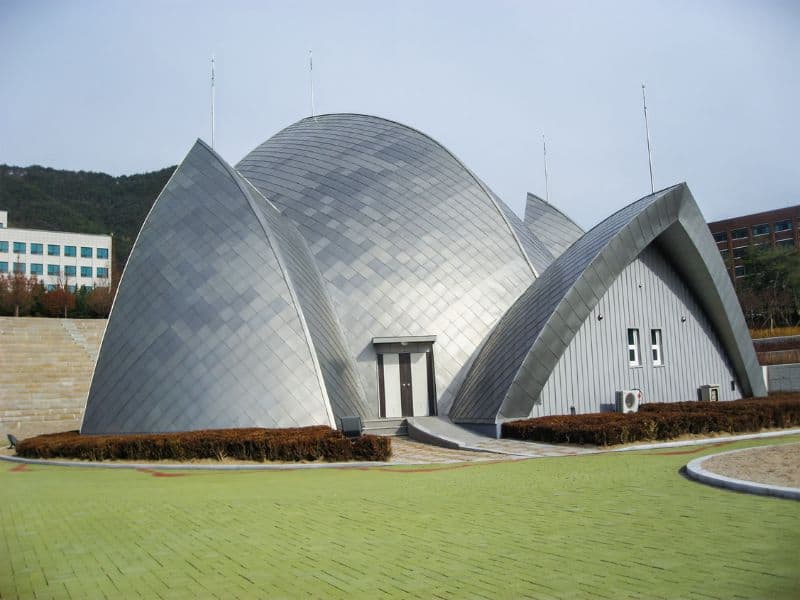
Zinc has become an important material in exterior envelopes due to its structural reliability and aesthetic versatility. The growing interest in how architects are using zinc panels stems from its ability to perform well in various climates – from monsoons and humidity to UV-intense environments.
- Zinc Roofing
Standing seam zinc roofs are widely used in:
- Institutional buildings
- Mountain-region homes
- Cultural centres
- Coastal properties
Zinc roofs are lightweight, watertight, and thermally stable, making them long-lasting even with extreme temperature variations.
- Zinc Wall Cladding
Zinc cladding enhances contemporary buildings by offering:
- Smooth or textured finishes
- Horizontal or vertical seam layouts
- Curved and folded design possibilities
- High resistance to urban pollution and acid rain
Zinc panels remain dimensionally stable and weather gracefully over decades without repainting.
- Ventilated Zinc Façade Systems
Ventilated façades use a cavity behind zinc panels to:
- Improve thermal insulation
- Prevent moisture retention
- Reduce heat ingress
Such systems contribute directly to the benefits of using zinc in construction, especially in energy-efficient buildings.
- Zinc Accents and Architectural Details
Zinc is frequently used for:
- Parapets
- Window surrounds
- Columns
- External shading fins
These accents provide clean edges and contemporary styling, while maintaining material longevity.
Is zinc suitable for coastal environments?
Yes. Zinc performs extremely well in coastal regions, especially pre-weathered or alloyed variants. Its natural patina layer protects against high humidity, saline winds, and corrosive environments.
Also Read : Can Zinc Panels be Used for Roofing Applications?
Interior Applications: Design Elements, Panels, and Accents
Beyond exterior envelopes, the uses of zinc in architecture include a wide range of interior applications that blend functionality with craftsmanship.
- Interior Wall Panels
Zinc interior cladding offers:
- A unique matte-metal aesthetic
- Warm grey tones that evolve naturally
- Texture variations such as quilting, ribbing, or perforation
These qualities make it a strong option for high-end residences, galleries, and boutique hotels.
- Feature Walls and Sculptural Forms
Its malleability allows intricate forms for:
- Parametric installations
- Artistic relief walls
- Hospitality backdrops
- Retail feature zones
- Furniture and Joinery Applications
Zinc is increasingly used in:
- Countertops
- Cabinetry fronts
- Bar counters
- Display systems
The metal acquires character over time, offering a living finish.
- Interior Ceilings and Lighting Elements
Laser-cut or perforated zinc panels help diffuse light while enhancing acoustic comfort.
- Signage and Interior Fascias
Zinc provides a premium finish for branded signage in:
- Corporate offices
- Government buildings
- Transit terminals
Zinc in Sustainable and Green Building Practices
Sustainability is a defining pillar of modern architecture, and zinc contributes meaningfully towards green building objectives.
- Low Environmental Impact Manufacturing
Its low melting point (419°C) reduces energy consumption during production, lowering total CO₂ emissions.
- Full Recyclability
Zinc retains its chemical and mechanical properties even after repeated recycling cycles.
- Longevity = Reduced Environmental Load
Buildings using zinc panels require fewer replacements, reducing:
- Raw material extraction
- Transportation emissions
- Waste generation
- Minimised Maintenance Needs
Minimal upkeep reduces chemical cleaning agents and repainting cycles – reinforcing the benefits of using zinc in construction for green-certified buildings.
Is zinc a sustainable building material?
Yes. Zinc’s recyclability, low embodied energy, and long service life make it one of the most environmentally responsible metals for construction.
Also Read : Aludecor Zinc Composite Panels – A Sustainable Choice for Your Building
Longevity and Weathering: How Zinc Evolves Over Time
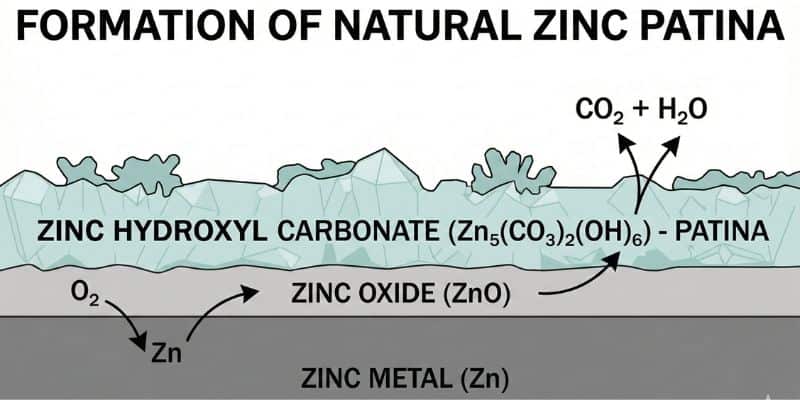
Zinc is one of the few metals that improves in appearance as it ages. This natural evolution is a compelling reason behind the expanding uses of zinc in architecture.
The Weathering Process
Over time, zinc forms:
- Zinc Hydroxyl Carbonate, a protective patina
- A matte grey finish that is uniform and elegant
Advantages of the patina layer:
- Prevents corrosion
- Conceals scratches through self-healing
- Requires no repainting
- Adapts visually to surrounding materials
Pre-weathered zinc variants are available for projects requiring immediate aesthetic consistency.
Performance in Harsh Climates
Zinc withstands:
- UV radiation
- Acid rain
- Freeze-thaw cycles
- High pollution
This long-term resilience is integral to the benefits of using zinc in construction for institutional and infrastructure-heavy regions.
Cost Considerations and Long-Term Value of Zinc Cladding
While zinc may have higher initial costs compared to some cladding materials, its long lifespan and minimal maintenance create favourable lifecycle economics.
Cost Advantages Over Time
- No repainting required
- Reduced labour for maintenance
- Long replacement cycles (70–100+ years)
- Lower operating cost for buildings
Installation Efficiency
Zinc’s workability reduces waste and installation complexity. Its malleability ensures efficient shaping, resulting in fewer offcuts.
Is zinc worth the upfront cost?
Yes. When considered over decades, zinc’s durability, low maintenance, and self-healing surface reduce operational costs, making it a cost-efficient long-term choice.
Where Zinc Offers Strongest Value
- Coastal regions
- High-pollution cities
- Cultural buildings expected to last generations
- Institutions such as airports, universities, and civic centres
Aludecor’s architectural insights often highlight the importance of lifecycle value, an area where zinc performs remarkably well.
Zinc has established itself as a distinguished material in modern construction due to its durability, sustainability, and design adaptability. The benefits of using zinc in construction extend from exceptional corrosion resistance and self-healing patina behaviour to long service life and low maintenance requirements. Its malleability encourages bold architectural expression, while its environmental credentials support India’s transition towards greener building practices.
As India’s most tested and trusted ACP, Aludecor continues to adopt advanced material technologies that align with zinc’s performance philosophy, prioritising durability, sustainability, and architectural precision. With global attention shifting towards low-impact construction materials, zinc stands out as a frontrunner, offering technical reliability and eco-friendly advantages across façades, roofing, interiors, and urban infrastructure.
FAQs
- Why is zinc considered a sustainable material for architecture?
Zinc is highly durable, recyclable, and requires low energy during production. Its patina layer protects the material naturally, reducing maintenance and environmental impact.
- How long does zinc cladding typically last?
Depending on the climate, zinc panels can last 70–100+ years due to their corrosion-resistant and self-healing properties.
- Does zinc require maintenance to retain its appearance?
No regular maintenance is required. The patina layer forms naturally and maintains a uniform appearance without repainting.
- Are zinc panels suitable for coastal or high-humidity regions?
Yes. Zinc performs exceptionally well in coastal and humid environments due to its corrosion-resistant patina, making it a reliable choice for such regions.