
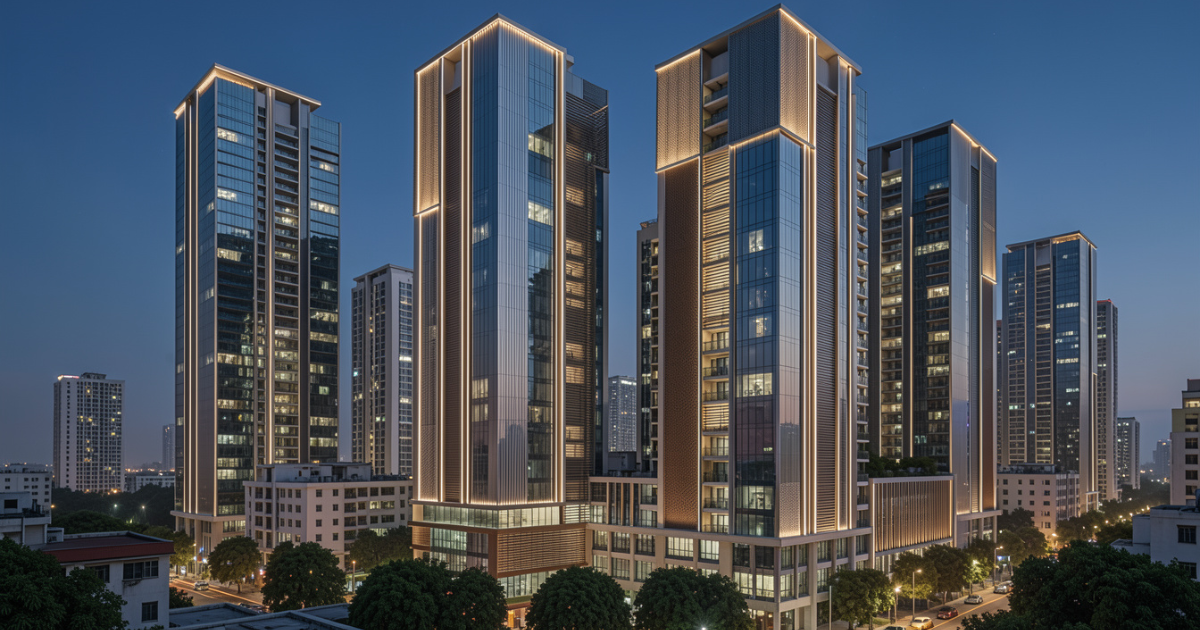
If you drive through Gurgaon’s Cyber Hub, Mumbai’s BKC, or Bengaluru’s Outer Ring Road today, you’ll notice something striking. The skyline looks sharper, lighter, and far more contemporary than it did a decade ago. Buildings no longer appear heavy and monolithic. Instead, they reflect light, geometry, and design ambition.
At Aludecor, we have witnessed this transformation closely. Architects are no longer satisfied with traditional façade materials that limit creativity or increase structural load. They are looking for materials that combine performance, flexibility, and aesthetics.
And this is exactly where the benefits of acp sheets for urban architecture become evident. Aluminium Composite Panels are helping designers rethink how buildings look, perform, and interact with the city around them.
Let’s explore how this shift is shaping modern Indian skylines.
A Structural Advantage for High-Rise Buildings
One of the biggest challenges in modern urban architecture is weight. As buildings grow taller, the structural load becomes a critical concern. Traditional materials such as stone cladding or heavy concrete panels can add enormous stress to the building frame. This is where the benefits of acp sheets for urban architecture truly stand out.
ACP sheets consist of two aluminium layers bonded to a lightweight core. This sandwich structure delivers impressive rigidity while remaining significantly lighter than many conventional cladding materials. For architects designing high-rise structures, this balance between strength and weight is invaluable.
Because ACP panels are lightweight, they also simplify transportation, handling, and installation. Construction timelines become shorter, and the overall project efficiency improves. And when you look at modern cities, it becomes clear how acp panels transform city skylines. They allow buildings to rise taller while maintaining structural efficiency and design flexibility.
Design Freedom That Architects Appreciate
Architecture today is about more than just constructing buildings. It is about creating identities for cities. Architects want materials that support experimentation with colours, textures, geometry, and façade compositions. This is where acp sheet facade design ideas are redefining contemporary architecture.
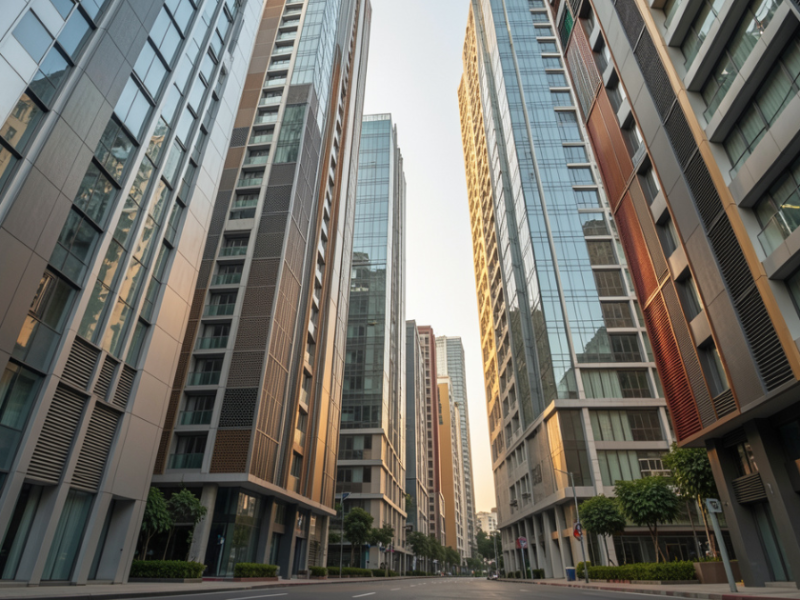
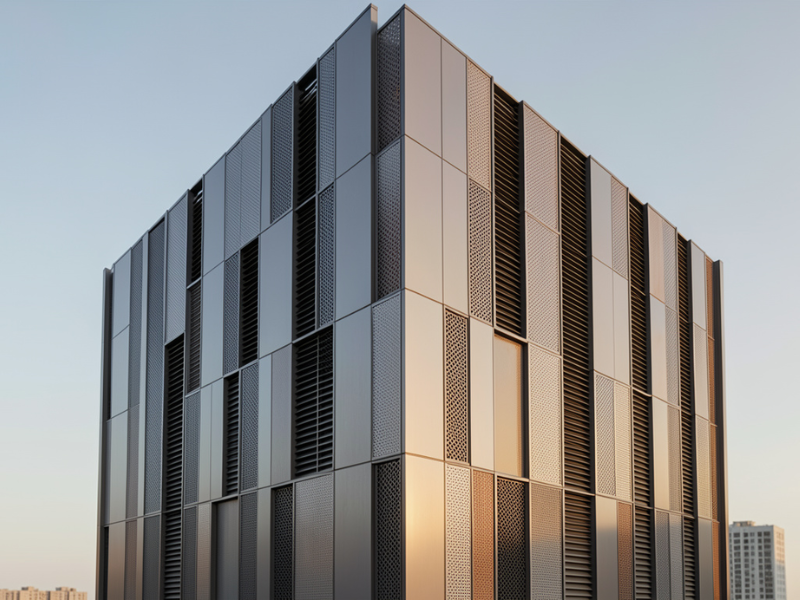
ACP panels can be cut, bent, routed, and folded with precision. This allows architects to create striking geometric façades, layered elevations, perforated screens, and bold exterior forms that would be difficult to achieve with traditional materials. From metallic finishes to wood textures, stone patterns, and custom colours, ACP sheets offer endless design possibilities.
When we work with architects and façade consultants, we often see how these acp sheet facade design ideas evolve into iconic building elevations. Corporate headquarters, malls, airports, and commercial complexes increasingly use ACP cladding to create visually dynamic surfaces.
In fact, many of the most recognizable modern buildings demonstrate how acp panels transform city skylines by introducing sleek metallic façades and contemporary architectural language.
Also Read : Universal Quartz: Designing an Industrial Landmark That Stands Apart
Durability for Demanding Urban Conditions
Cities are harsh environments for buildings. Pollution, humidity, temperature variations, and UV exposure constantly affect exterior surfaces. One of the major benefits of acp sheets for urban architecture is their durability in such demanding conditions.
High-performance ACP sheets with PVDF coatings offer strong resistance against fading, corrosion, and weather damage. These coatings help maintain the original colour and finish of the panels even after years of exposure.
This durability makes ACP sheets particularly suitable for large commercial buildings where façade maintenance can be expensive and disruptive. Over time, this reliability reinforces how acp panels transform city skylines, because buildings retain their sleek and modern appearance for decades.
Faster Construction for Rapid Urban Growth
Urban development in India is happening at an unprecedented pace. Commercial hubs, mixed-use developments, and infrastructure projects need materials that allow faster execution without compromising on quality. This is another area where the benefits of ACP sheets for urban architecture become extremely practical.
ACP panels are factory-manufactured and easily fabricated on site. Installation systems such as ventilated façades and cassette panels make cladding faster compared to traditional masonry or stone installation.
Shorter installation times mean quicker project completion. For developers and contractors, this translates into reduced labour costs and faster occupancy. And when large urban developments are completed efficiently, we once again see how acp panels transform city skylines through rapid yet visually striking architectural growth.
Also Read : How to Identify High-Quality ACP Sheets: A Practical Checklist for Buyers
Sustainability and Smart Building Design
Sustainability is no longer optional in architecture. Designers now evaluate materials based on lifecycle performance, recyclability, and environmental impact. The benefits of acp sheets for urban architecture also include sustainability advantages. Aluminium is a recyclable material, and modern ACP manufacturing processes increasingly emphasize responsible sourcing and energy efficiency.
ACP panels can also be integrated into ventilated façade systems that improve building insulation and reduce heat gain. This contributes to better energy performance and improved indoor comfort. Many innovative acp sheet facade design ideas also incorporate shading devices, louvers, and perforated panels to control sunlight and ventilation. When buildings combine aesthetics with environmental performance, it becomes clear how acp panels transform city skylines while also supporting sustainable architecture.
The Future of Urban Façades
Urban architecture will continue to evolve as cities expand and design ambitions grow. Architects will increasingly seek materials that combine engineering precision with artistic flexibility. At Aludecor, we believe the benefits of acp sheets for urban architecture extend far beyond simple cladding. ACP panels are enabling architects to design lighter, more expressive, and more durable building façades.
From commercial towers and retail complexes to transportation hubs and public infrastructure, ACP panels are shaping the visual identity of modern cities. And as architectural innovation accelerates, we will continue to see how acp panels transform city skylines through creative acp sheet facade design ideas that redefine what buildings can look like.
The Indian skyline is no longer just concrete and glass. It is a canvas of materials, geometry, and design possibilities, and ACP sheets are playing a major role in shaping that future.
FAQs
What are the key benefits of ACP sheets for urban architecture?
The benefits of acp sheets for urban architecture include lightweight construction, structural rigidity, design flexibility, and long-term durability. ACP panels consist of aluminium skins bonded to a composite core, which allows them to deliver strength without adding significant weight to the building structure. This makes them particularly useful for high-rise buildings and large commercial developments. In addition, ACP sheets support multiple finishes, colours, and textures, enabling architects to experiment with creative façade designs. Their resistance to weather, corrosion, and UV exposure ensures that buildings maintain their appearance even in demanding urban environments.
How do ACP panels transform city skylines?
Understanding how acp panels transform city skylines begins with their versatility in façade design. ACP sheets allow architects to create sleek building exteriors with metallic finishes, geometric patterns, and layered elevations. Because they are lightweight and easy to fabricate, they enable complex façade forms without increasing structural load. Modern office towers, shopping malls, airports, and commercial complexes increasingly use ACP cladding to achieve contemporary aesthetics. These visually striking building skins contribute to a modern architectural identity for cities.
What are some popular ACP sheet facade design ideas for modern buildings?
There are numerous acp sheet facade design ideas that architects use to enhance building exteriors. Some of the most popular approaches include metallic ACP façades for corporate buildings, wood-finish ACP for warm architectural themes, perforated ACP panels for shading systems, and geometric panel layouts for modern commercial complexes. ACP sheets can also be combined with glass curtain walls to create layered façades that enhance visual depth. Because ACP panels can be bent, routed, and folded during fabrication, they support innovative façade concepts while maintaining structural efficiency.
Why are ACP sheets preferred over traditional cladding materials?
Architects and developers often prefer ACP sheets because the benefits of acp sheets for urban architecture extend beyond aesthetics. Compared to heavy cladding materials such as stone or concrete panels, ACP sheets are lighter and easier to install. They reduce structural load while allowing larger façade coverage with fewer joints. ACP panels also offer a wide variety of colours and textures, enabling diverse acp sheet facade design ideas for different architectural styles. Their durability, low maintenance requirements, and design flexibility make them a practical solution for modern urban buildings.