
Exterior cladding has changed quite a bit over the last couple of decades. Earlier, buildings were judged mostly on their structural integrity. If the building stood strong and served its purpose, that was enough.
Today things are different.
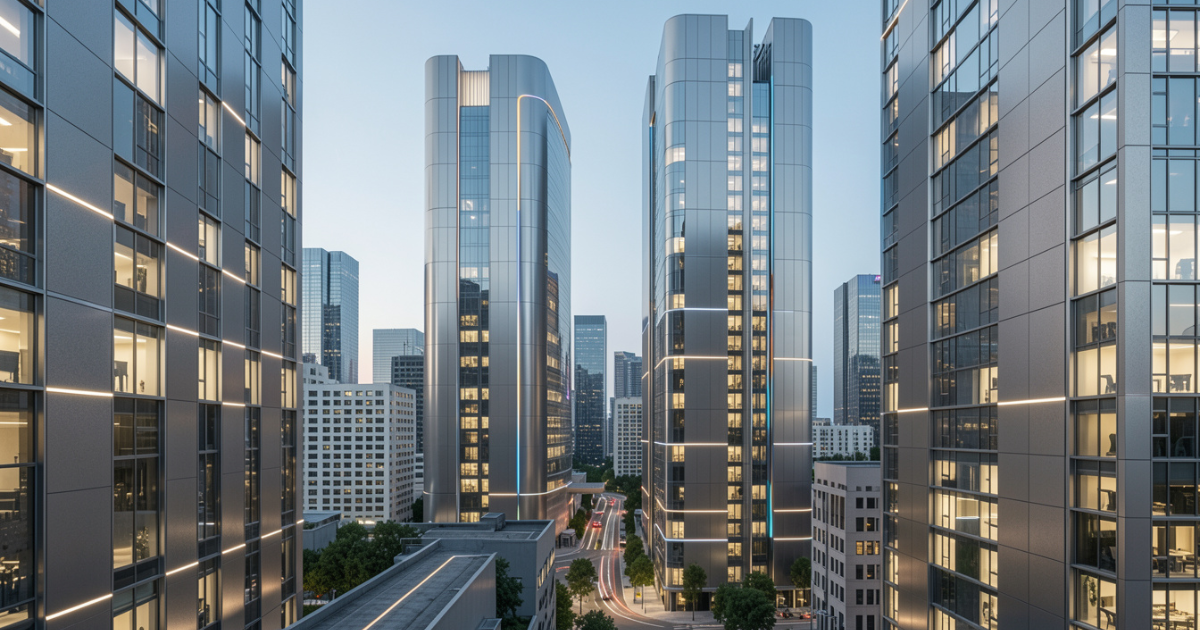
A building’s façade often becomes its identity. The exterior surface now plays a huge role not only in visual appeal but also in durability, thermal performance, maintenance costs and even property value over time.
For many years, traditional materials such as natural stone, ceramic tiles and exterior paints dominated building exteriors. These materials certainly did their job. They protected structures from weather exposure and gave buildings a finished look.
But architecture has evolved. Buildings are taller. Designs are more experimental. And façades are expected to perform much more than before.
That’s exactly where the conversation around ACP sheets vs traditional cladding materials begins.
Let’s be honest. A stone façade may look timeless. Painted walls may appear economical in the beginning. Yet once those surfaces face years of sunlight, humidity, pollution and temperature variation, the limitations of those materials slowly begin to appear.
And this is where aluminium composite panels enter the discussion.
When architects evaluate acp sheet for exterior vs other cladding, they are not just thinking about how a building looks. They are evaluating weight, fabrication possibilities, durability, and how much effort the façade will require to maintain over time.
Understanding the real difference between acp sheets vs traditional cladding materials helps designers make better decisions for modern exteriors.
What Is an ACP Sheet ? A Quick Overview
An ACP sheet, or Aluminium Composite Panel, is an engineered cladding material developed specifically for architectural façades.
At its core, an ACP panel follows a sandwich construction.
It typically includes:
- A top aluminium skin
• A core layer made from polymer or mineral-filled composite
• A bottom aluminium skin
This layered structure provides rigidity while keeping the panel surprisingly lightweight.
Now here’s where things get interesting. Aluminium used in façade-grade ACP panels is often manufactured from alloys such as AA3105 or AA5005, both known for good corrosion resistance. The surface is then protected with architectural coating systems that generally range between 30 and 50 microns in thickness. These coatings help the panels withstand UV radiation, moisture and environmental pollutants.
ACP panels today are widely used across:
- commercial building façades
- airports and transport terminals
- hospitals and institutional campuses
- corporate office buildings
- retail storefronts and signage systems
When designers discuss acp sheets vs traditional cladding materials, ACP panels often stand out because of their fabrication flexibility.
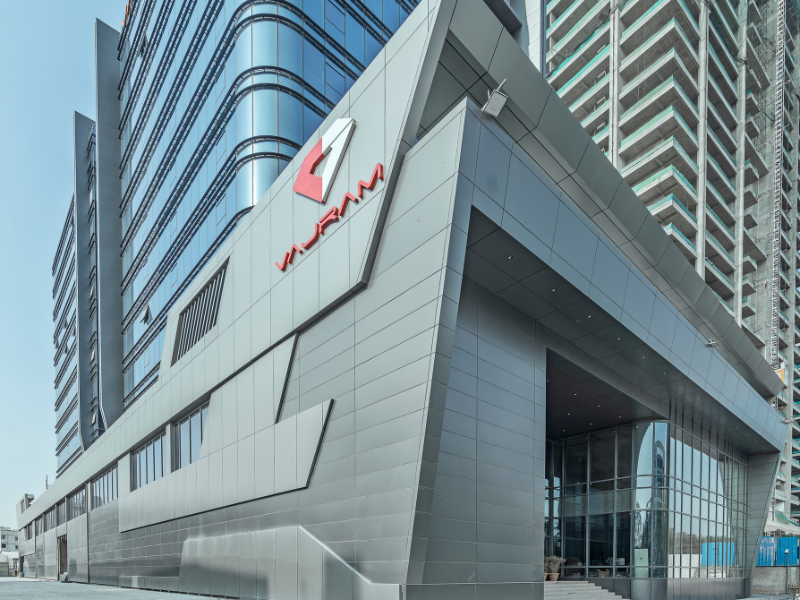
Panels can be routed, bent, folded and fabricated into cassette systems. Which means architects are no longer restricted to flat façades. Curves, folds and seamless corners suddenly become possible.
You know what I mean. That kind of design freedom changes how modern buildings are imagined.
Also Read : Innovative Uses of Aluminium Cladding Panels in Facade Design
Traditional Exterior Materials: Stone, Tiles and Paint
Before ACP panels became widely adopted, exterior finishes relied heavily on conventional materials.
Stone, ceramic tiles and exterior paint systems were the most common choices.
Each of these materials still has its place. But they also come with certain limitations.
Stone Cladding
Stone has always carried a sense of permanence. Materials like granite, sandstone and marble are frequently used in building exteriors.
Stone offers several advantages:
- strong compressive strength
- natural visual texture
- long service life when installed properly
But stone also comes with a major drawback. Weight.
Natural stone is extremely heavy. Which means the building structure must support additional load. Installation often requires specialised anchoring systems as well.
Exterior Tiles
Ceramic and vitrified tiles are another common exterior material. They are available in a wide range of colours and surface finishes.
However, exterior tile cladding sometimes faces challenges such as:
- Adhesive failures
- Cracks due to thermal movement
- Tile detachment in extreme weather conditions
These problems are not uncommon in buildings exposed to large temperature variations.
Exterior Paint
Paint remains one of the most economical finishing options.
Modern exterior paints include acrylic and elastomeric formulations designed to withstand weather exposure.
Still, painted façades require frequent maintenance. Fading, peeling, and cracking can occur over time, especially in regions with strong sunlight or heavy rainfall.
These limitations often become obvious when architects start comparing ACP sheet vs other cladding materials for contemporary buildings.
Comparing ACP Sheets and Traditional Materials on Key Factors
Understanding ACP sheets vs traditional cladding materials requires looking beyond visual appearance.
Architects usually compare performance across several parameters.
| Parameter | ACP Sheets | Traditional Materials |
| Weight | Lightweight composite panels | Often heavy, especially stone |
| Fabrication | Can be routed, bent and folded | Limited shaping possibilities |
| Installation | Faster installation with façade systems | Labour intensive |
| Maintenance | Low maintenance | Requires periodic repair |
| Design Options | Wide range of finishes | Mostly natural textures |
Also Read : A Guide to Understanding Traditional HPL Sheet Vs ACP Sheet of 6 MM
Durability and Weather Resistance
Durability is one of the biggest concerns when selecting exterior cladding.
Natural stone can last for decades, but it may crack due to thermal stress. Tiles may detach if adhesives weaken over time. Painted surfaces gradually fade or peel under prolonged UV exposure.
ACP panels behave differently.
Aluminium surfaces naturally resist corrosion. Combined with protective coating systems, ACP panels maintain colour stability and surface integrity for long periods.
When professionals compare acp sheet for exterior vs other cladding, the composite structure of ACP panels offers a clear advantage in terms of environmental resistance.
Aesthetic Flexibility and Design Options
Architecture today thrives on creativity.
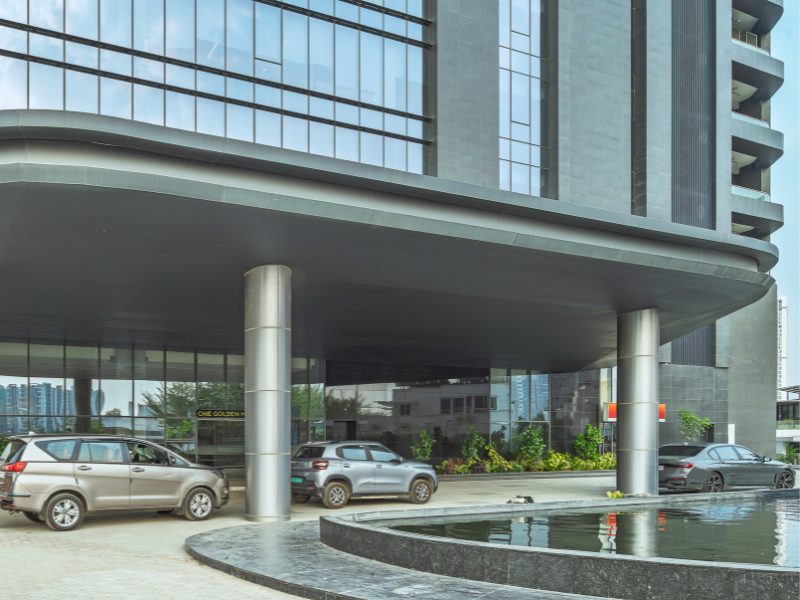
Designers want materials that can adapt to curves, geometric patterns and expressive façades.
Traditional materials are beautiful, but often rigid.
Stone slabs are difficult to shape. Tiles require flat surfaces. Paint cannot create structural texture.
ACP panels, on the other hand, can be fabricated into:
- Curved façade surfaces
- Cassette panel systems
- Seamless corner details
- Complex geometric layouts
This fabrication flexibility is one reason architects increasingly prefer ACP sheet vs other cladding materials for modern building envelopes.
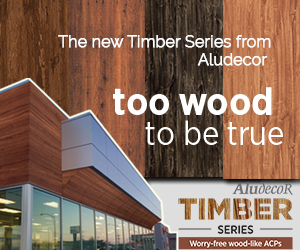
ACP finishes can also replicate natural materials such as wood or stone while retaining the performance of aluminium.
Installation and Maintenance Needs
Installation complexity is another major factor in façade construction.
Stone cladding requires heavy anchoring systems. Tile cladding depends heavily on adhesives and grout integrity. Painted surfaces require careful surface preparation and periodic repainting.
ACP panels are generally installed using aluminium subframe systems.
This method allows faster installation and easier panel replacement if necessary.
Maintenance is also simpler.
Stone surfaces may stain. Tiles may require grout repairs. Painted walls eventually require repainting.
ACP panels usually need only periodic cleaning with water or mild detergents.
When comparing acp sheets vs traditional cladding materials, this reduction in maintenance effort can significantly influence long-term building management.
Cost-Effectiveness in the Long Run
Initial material cost often becomes the focus during early project planning. But lifecycle cost tells a much more accurate story.
Paint may seem economical at first, yet repainting cycles add recurring expenses. Tile façades sometimes require repairs if adhesive systems fail. Stone installation involves heavy labour and structural reinforcement.
ACP panels may involve a moderate initial investment. But their durability and low maintenance requirements often reduce long-term operating costs.
For developers evaluating acp sheet for exterior vs other cladding, lifecycle economics frequently favour ACP solutions.
Why ACP Sheets Are Better Suited for Modern Exteriors
Modern architecture demands materials that combine performance with design flexibility.
Buildings today must withstand harsh weather conditions while maintaining a strong visual identity.
ACP panels meet these expectations through their engineered structure.
They offer:
- Lightweight façade solutions
- High fabrication flexibility
- Durable protective coatings
- Efficient installation systems
When analysing ACP sheets vs traditional cladding materials, ACP panels align naturally with the needs of contemporary exterior design.
Situations Where Traditional Materials Still Work Well
That said, traditional materials are far from obsolete.
Stone remains ideal for heritage buildings and projects that require a strong natural aesthetic. Tiles work well in smaller façade sections and interior applications. Paint remains practical for simple residential structures with minimal façade complexity.
These materials continue to play an important role.
However, for large commercial façades and complex building envelopes, ACP panels often prove to be more efficient when comparing acp sheet vs other cladding materials.
Final Thoughts on Exterior Cladding Choices
Exterior cladding does more than protect a building. It shapes the building’s identity and influences how it ages over time.
Traditional materials like stone, tiles and paint still offer value in specific situations. Yet the evolving demands of modern architecture require materials that combine durability, adaptability and long-term performance.
That is why discussions around ACP sheets vs traditional cladding materials increasingly point toward aluminium composite panels for contemporary exteriors.
ACP panels give architects a rare combination of structural efficiency and creative freedom.
And as cities continue to grow upward and outward, these engineered façade systems are becoming an integral part of modern architecture.
Contact our expert team today at 1800-102-0407 or visit aludecor.com/enquiry to request a consultation and explore façade solutions tailored for your next architectural project.
FAQs
What makes an ACP sheet different from traditional exterior materials?
ACP sheets differ from traditional materials because they are engineered composite panels rather than single-material surfaces. The panel structure combines aluminium skins with a composite core, creating a lightweight yet rigid façade panel.
Traditional materials such as stone, tiles, or paint rely on solid material layers. ACP panels, meanwhile, integrate structural stability with advanced coating systems designed for long-term exterior performance.
Are ACP sheets more durable than stone or tiles?
Durability depends on installation and environmental conditions. Natural stone can last for decades but may require heavy structural support and periodic maintenance.
ACP panels are designed to resist corrosion, UV radiation and moisture through protective coatings and aluminium skins. When installed correctly, they provide reliable long-term performance while maintaining colour stability.
How cost-effective are ACP sheets compared to paint?
Exterior paint may appear cheaper initially, but repainting cycles are often required every few years, depending on environmental exposure.
ACP panels generally require minimal maintenance after installation. Over the lifecycle of a building façade, this reduced maintenance requirement makes ACP panels more cost-effective than repeated repainting.
Can ACP sheets mimic natural textures like wood or stone?
Yes. ACP panels are available in a wide range of architectural finishes, including metallic textures, woodgrain effects and stone-inspired surfaces. These finishes allow architects to achieve the visual character of natural materials while benefiting from the durability and lightweight nature of aluminium composite panels.