


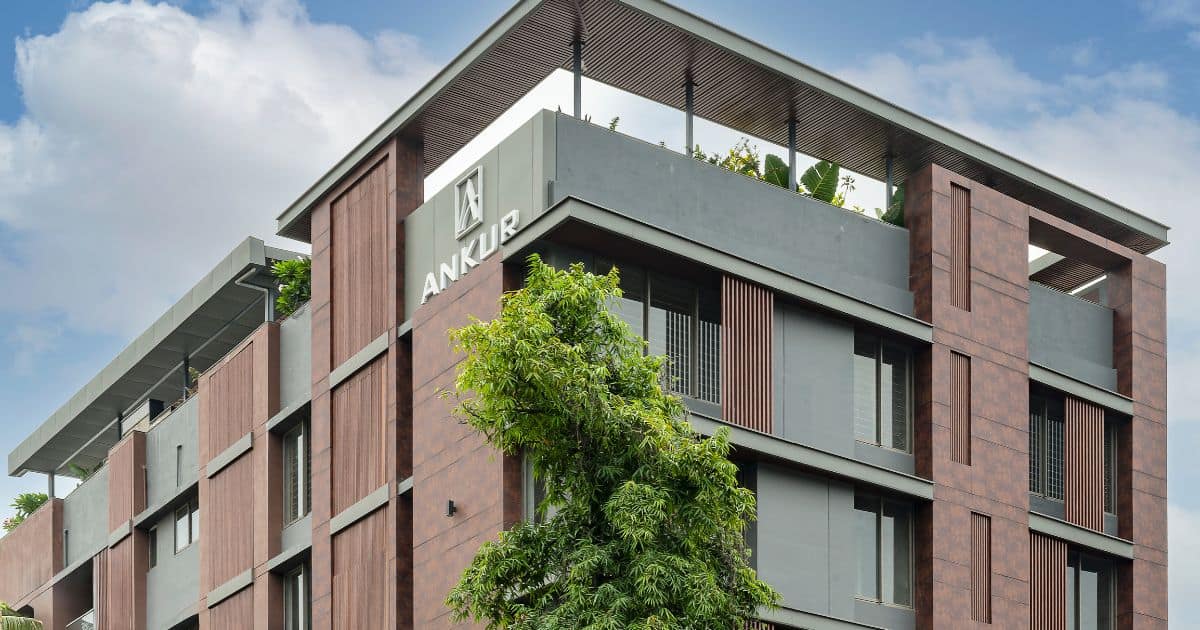
In today’s architecture, aesthetics alone are no longer enough; safety, durability, and environmental responsibility are just as crucial. One material that has revolutionized modern facades and interiors is Aluminium Composite Panel (ACP) cladding. Praised for its sleek appearance, light weight, and versatility, ACP has become a go-to solution in everything from corporate buildings and malls to schools and hospitals. But with rising awareness around fire safety and structural integrity, an important question surfaces: Is ACP cladding truly safe?
This guide explores the core of that question, breaking down the types of ACPs, their fire ratings, durability, and what you need to look out for when choosing panels for your project. Whether you’re an architect, builder, or a homeowner, understanding how ACPs perform under stress, weather, and fire can help you make informed, future-proof decisions. Let’s unpack what makes ACP cladding both a design marvel and a safety-critical choice in modern construction.
What Is ACP Cladding?
Aluminium Composite Panels (ACPs) are made by sandwiching a core, usually polyethylene (PE), fire-retardant (FR) mineral-filled materials, or an A2-grade non-combustible core, between two aluminium sheets. This configuration makes them lightweight, durable, and easy to handle. ACPs are widely used in modern architecture for both exterior and interior applications, including facades, cladding, signage, and even furniture.
Cladding, in general, is a protective or decorative layer that is added to buildings. It helps protect against weather, improves energy efficiency, and gives the structure a modern look. ACP cladding, specifically, has become one of the most preferred choices because it offers all of this with design flexibility and cost-efficiency.

The Versatility of ACPs
ACPs can be found across a wide range of projects including commercial buildings, office complexes, malls, airports, schools, hospitals, hotels, and even residential spaces. Beyond façades, they’re also used for canopy linings, column covers, balconies, and false ceilings, underscoring their multi-purpose appeal.
What drives this widespread application is their variety and flexibility. ACPs come in a rich palette of colours, textures, and finishes, including metallic, wood, stone etc. Aludecor ACPs come in unique finishes like cement, sand, rustic, earthy, grooved, and more. Some variants also support digital printing for customised designs.
In addition to their aesthetic diversity, ACPs are known for their ease of installation and exceptional workability. Lightweight yet durable, they can be cut, routed, bent, or folded with standard tools, allowing precision in both structural and decorative applications. Their smooth surface ensures a premium finish, while a protective film guards against handling damage. Whether in expansive architectural façades or detailed interior solutions, ACPs help save time on-site and adapt effortlessly to a variety of design need.
Read Also: Choosing the Right Front Elevation Design for Your House
The Importance of Choosing the Right ACP Sheets
Not all ACPs are created equal. The wrong choice can compromise safety, durability, and appearance. That’s why selecting the right panel starts with understanding a few key parameters.
First, consider the application: is it for exterior or interior use? Exterior panels must endure weather, pollution, fire performance and UV exposure, while interior panels may prioritise finish, weight, or fire performance.
Next, pay attention to panel thickness and aluminium skin thickness, both of which influence structural strength and durability. Common ACP configurations include:
- 3mm (0.20mm to 0.25mm skin) – typically for signage or interior use
- 4mm (0.25mm skin) – suited for low-rise facades or interior cladding
- 4mm (0.5mm skin) – ideal for most building facades and exterior cladding
- 6mm (0.5mm or 0.7mm skin) – recommended for high-rise buildings, high-wind zones, or more demanding architectural applications
Choosing thinner skins may lower costs but can compromise the panel’s rigidity, impact resistance, and lifespan.
Finally, the core material plays a critical role in fire safety and structural behaviour. Options include:
- LDPE (Low-Density Polyethylene) – economical, but not fire-retardant
- FR Core (Fire-Retardant) – contains mineral fillers; meets basic fire norms
- Mineral Core / A2 Core – non-combustible, suitable for stringent fire safety standards
Evaluating these factors ensures the ACPs you choose deliver both performance and peace of mind.
Fire-Rated ACPs: Why They Matter
Fire safety is non-negotiable. Many ACP-related fire incidents occur because of low-quality, non-compliant panels. This has made fire-rated ACPs mandatory for high-rise buildings and public places in many jurisdictions.
FR (Fire Retardant) grade ACPs are made with mineral-rich cores. These slow down the spread of fire and emit less smoke. The highest grade available today is A2 which is almost non-combustible. Panels must meet national and international fire safety standards like EN 13501-1 (EU) or ASTM E84 (USA). In India, NABL-accredited lab certifications are commonly accepted as proof of compliance.
If you’re sourcing ACPs for a public or multi-storey structure, A2 or FR ACPs aren’t just advisable, they are often legally required.
Aludecor was the first ACP manufacturer to introduce both class B (tested as per ASTM E119) and class A2 ACPs in India. It’s the only company to have in-house pelletizing line and an FR baby line meant to test the core before going for mass production.
Read Also: The Science Behind Fire Retardant Materials: How They Protect Buildings

Durability and Weather Resistance
ACP cladding is exposed to the elements: sun, rain, dust, and sometimes even chemicals. That’s why a durable surface coating is important. Panels are typically coil-coated with PVDF or FEVE paints. These paints offer high resistance to fading, paint peel-off, chipping, or corrosion.
Some ACPs are also anodized for better wear resistance. Always check the warranty. A good-quality ACP should last 15–20 years with minimal maintenance.
Aesthetic Flexibility
Architects like ACPs because they can complement their unbound creativity. Whether it’s a metallic look for a tech park or a woodgrain finish for a hotel facade, ACPs offer the freedom to match form with function.
Many brands offer custom colours and textures, and Aludecor is the brand leading the way. It offers an unmatched variety like the very popular Sand & Rustic series, Cement-finish, Earthcoat, rugged metal and more. With modern fabrication tools, ACPs can be cut, bent, routed, or perforated into almost any shape. That makes them ideal for curves, fins, and other design details that traditional materials struggle with.
Sealing and proper installation also matter. Water seepage through badly installed joints can lead to internal damage. So, even the best ACP won’t perform well unless it’s fixed properly.
Ventilation and Energy Efficiency
In high-performance buildings, ACPs are often part of ventilated facade systems. These systems create an air gap between the wall and the cladding. This improves thermal insulation and helps reduce the building’s overall energy load.
ACPs with high solar reflectivity can further improve energy efficiency. They reflect a significant portion of sunlight, helping interiors remain cooler. In turn, this reduces air conditioning needs.
Sustainability and Environmental Impact
Sustainability is becoming a core concern in building material selection. ACPs score well in this area. The aluminium used is recyclable, and the core materials are being developed with eco-friendlier compositions. Many manufacturers including Aludecor are also opting for greener production methods. This reduces the environmental footprint of the cladding process and supports green building certifications.
Cost Efficiency Over Time
While cladding ACP may seem costlier upfront compared to painting or cement-based finishes, it pays off in the long run. Its resistance to weather damage, ease of maintenance, and long life means fewer repairs and repaints. Architects and builders increasingly factor in lifecycle cost, not just the initial investment.
Read Also: Impact of Green and Sustainable Facades on Fire Safety
What to Check Before You Choose ACP Cladding
Look beyond just colour and finish of an aluminium composite panel. Ask for the fire rating of the product. Check the thickness and the material used in the core. Review warranties, and see if the manufacturer provides test reports. Also, confirm whether the product is compliant with standards like LEED or GRIHA if sustainability is a concern. All these factors make a difference in long-term performance.
The Bigger Picture
Aluminium Composite Cladding is more than aesthetics. It’s about performance, safety, energy savings, and future readiness. ACPs, when chosen wisely, offer a strong balance of all these. Whether for a commercial building, school, hospital, or modern residence, they provide both function and form with durability that’s hard to beat.
Frequently Asked Questions:
Is an ACP sheet fireproof?
No, not all ACP sheets are fireproof. Only fire-rated ACPs with FR or A2 cores offer fire resistance. Standard PE-core ACPs are not fire-safe.
Is composite cladding a fire risk?
Yes, if it uses a polyethylene (PE) core. Fire-rated composite cladding significantly reduces fire risk and is safer for buildings.
Is ACP cladding flammable?
PE-core ACP cladding is flammable. Fire-rated versions with FR or A2 cores are designed to resist fire and limit spread.


